How TimeVallée Is Building beyond Transactional Watch Retail in India

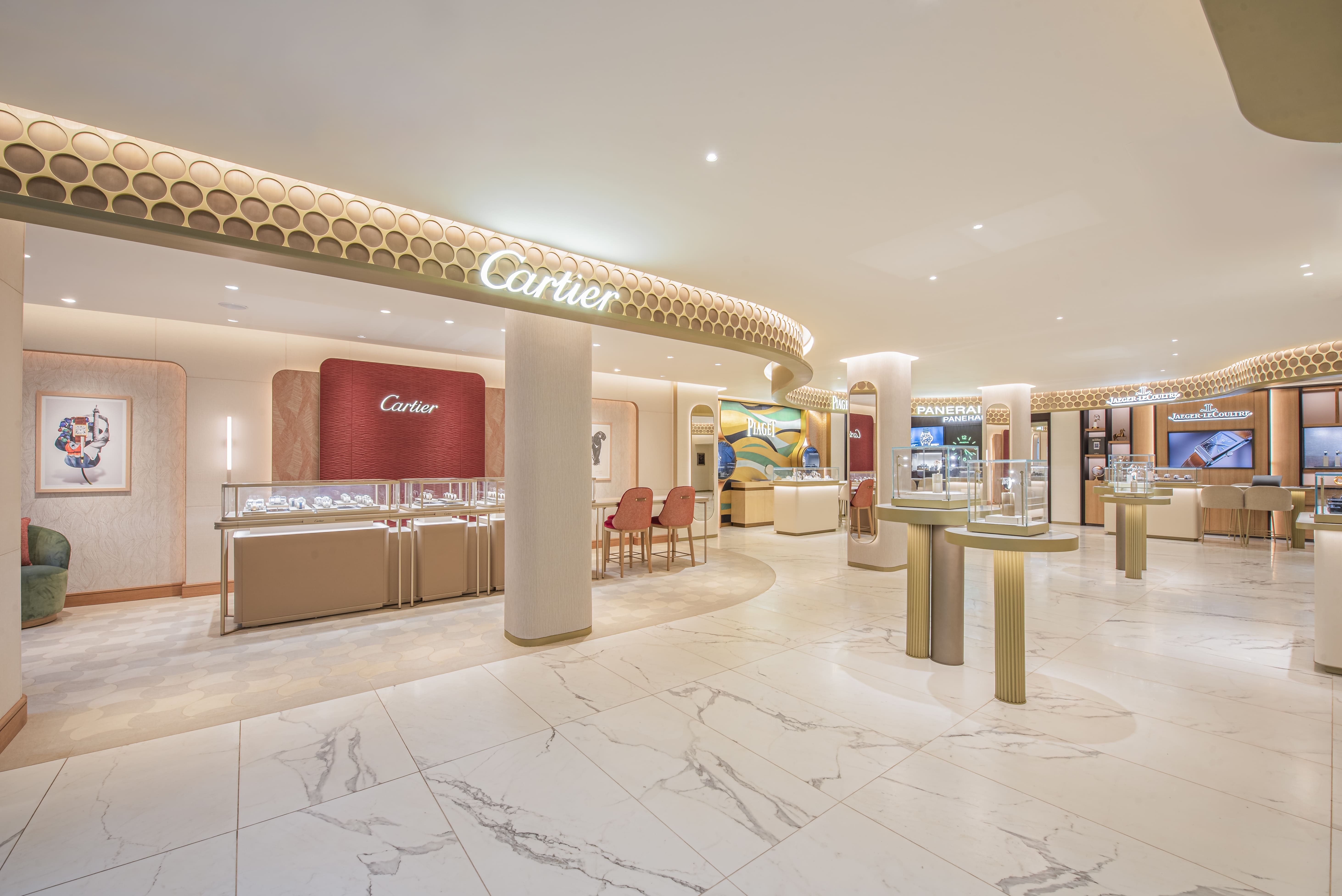
As luxury watch retail places emphasis on experience and long-term client engagement, India has emerged as one of the industry’s most closely watched growth markets. TimeVallée’s latest opening in Hyderabad — its fourth boutique in the country in partnership with Art of Time — underscores this strategic recalibration. Located in Jubilee Hills, the new space moves beyond traditional retail, instead bringing together private salons, mono-brand environments, and an outdoor café within a distinctly experiential format.
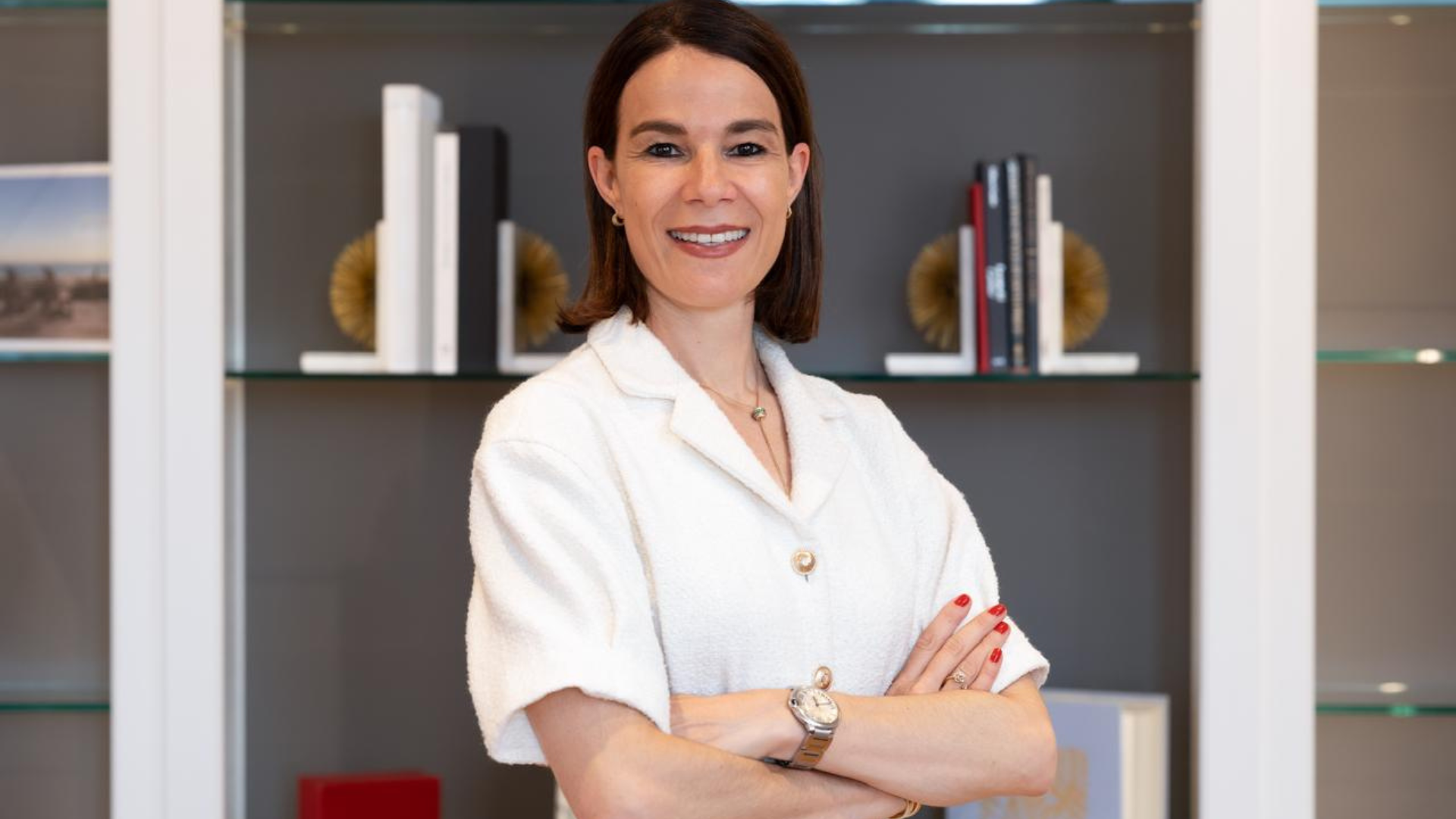
GMT India speaks to Hélène Maslin, Deputy Chief Executive Officer at TimeVallée, about India’s growing importance within the company’s global strategy and the continued relevance of multi-brand retail.
GMT India: What role does India play today within TimeVallée’s global strategy, and how has that evolved recently?
Hélène Maslin (HM): TimeVallée is a multi-brand concept and, today, the only multi-brand watch retail concept with a global presence. We currently have 52 stores across 17 countries. In India, we have four boutiques as well as a digital partnership with Tata CLiQ Luxury, so we also have an online boutique presence. India has been a strategic market for TimeVallée for more than three years now. It is a very important market for us and one of the biggest countries within our global network, with four stores out of the 52 worldwide.
GMT India: The multi-brand model requires a balance between curation and commerce. How do you approach that across different markets?
HM: It starts with the store concept itself. Whether you enter the Mumbai store, or the boutiques in Bangalore, Chennai or Hyderabad, the idea is never to have 20 brands placed together. The focus is on creating a curated selection of maisons that can properly express their DNA and positioning. We have a mix of mono-brand areas, where each maison can showcase its history, identity, and products in the right way, alongside multi-brand spaces like the one we are sitting in today with the Time Café at Art of Time. This is how we approach brand curation. The curation also begins with the brand mix itself. Every boutique is different depending on the location, the city, and the clientele. We adapt the portfolio accordingly, so each boutique feels relevant to its market.
GMT India: How does the TimeVallée format allow brands to express their identity differently compared to mono-brand boutiques?
HM: Each maison has its own dedicated area where it can fully express its identity. Of course, every brand follows its global concept, but depending on the location, there is still room to differentiate through the display, the product selection, and the overall presentation. This allows each maison to create its own universe within the broader TimeVallée environment.
GMT India: In markets like India, where watch culture is still developing, how do you build long-term engagement rather than rely on transactional retail?
HM: We place a strong focus on clientele. The idea is not to create a transactional boutique, but an experiential one where clients can understand the brands, discover watchmaking, and decide what they truly want to buy. For us, it is about building a long-term relationship with the customer throughout their lifecycle. A client may come in to purchase a first watch, but they return for a second or third watch, for servicing, or to experience watchmaking through events, masterclasses, and workshops. Each store is also different. If you visit Chennai, Bangalore, Mumbai or Hyderabad, every boutique has its own design and personality. You recognise the TimeVallée architecture and identity, but every location is adapted to its city and clientele. The brand mix also changes from one boutique to another because we want the portfolio to feel curated for that specific market.
GMT India: Have you observed a shift globally towards clients seeking more technical depth, or is design still the primary entry point?
HM: I think today it is both. Clients want watches that feel different and distinctive, but at the same time they are quite aware of traditional watchmaking and technical expertise.
GMT India: Where do you think India still lags as a watch market, and where is it moving faster than expected?
HM: From a global perspective, Indian clients have always purchased watches. The difference today is that, with TimeVallée specifically, clients are increasingly able to purchase luxury watchmaking domestically. That was also part of our thinking when we decided to establish TimeVallée in India. More than ever, Indian clients are looking for best-in-class stores, client experience, and shopping environments, and the market has evolved very quickly in that direction.
.jpg)
GMT India: As retail becomes increasingly experiential, what does the future boutique look like for TimeVallée?
HM: Very much like the boutiques you are seeing today, including the one we recently opened in Hyderabad. At the core of the TimeVallée concept is the idea of creating an experiential boutique rather than a transactional one. We are very careful about the way space is designed. We do not want to place 20 brands inside 200 square metres. We want clients to have areas where they can sit, enjoy watchmaking, and discover the category as a complete experience.
If you visit Mumbai, Bangalore, Chennai or Hyderabad, you can already feel this experiential approach. With every new TimeVallée opening, we continue improving this side of the concept. The objective is always to create a better and more immersive experience than the previous boutique.
GMT India: You’ve been in the industry for over 20 years. What, in your view, has changed during that time?
HM: Many things have changed over the last 20 years. One of the biggest shifts has been the rise of mono-brand boutiques and the broader retail expansion of the maisons themselves. At the same time, however, more than half of luxury watch clients globally still purchase within multi-brand retail environments, especially in markets like India. We often speak about mono-brand retail as the dominant trend, but multi-brand distribution continues to play a very important complementary role. That is why TimeVallée remains relevant today. While the industry has seen a strong move towards the ‘retailisation’ of brands, we should not forget that many customers still value the experience of discovering watches within a curated multi-brand environment.
Image credits: Respective brands