


Why Buying a Coveted Watch Now Means Earning the Right First
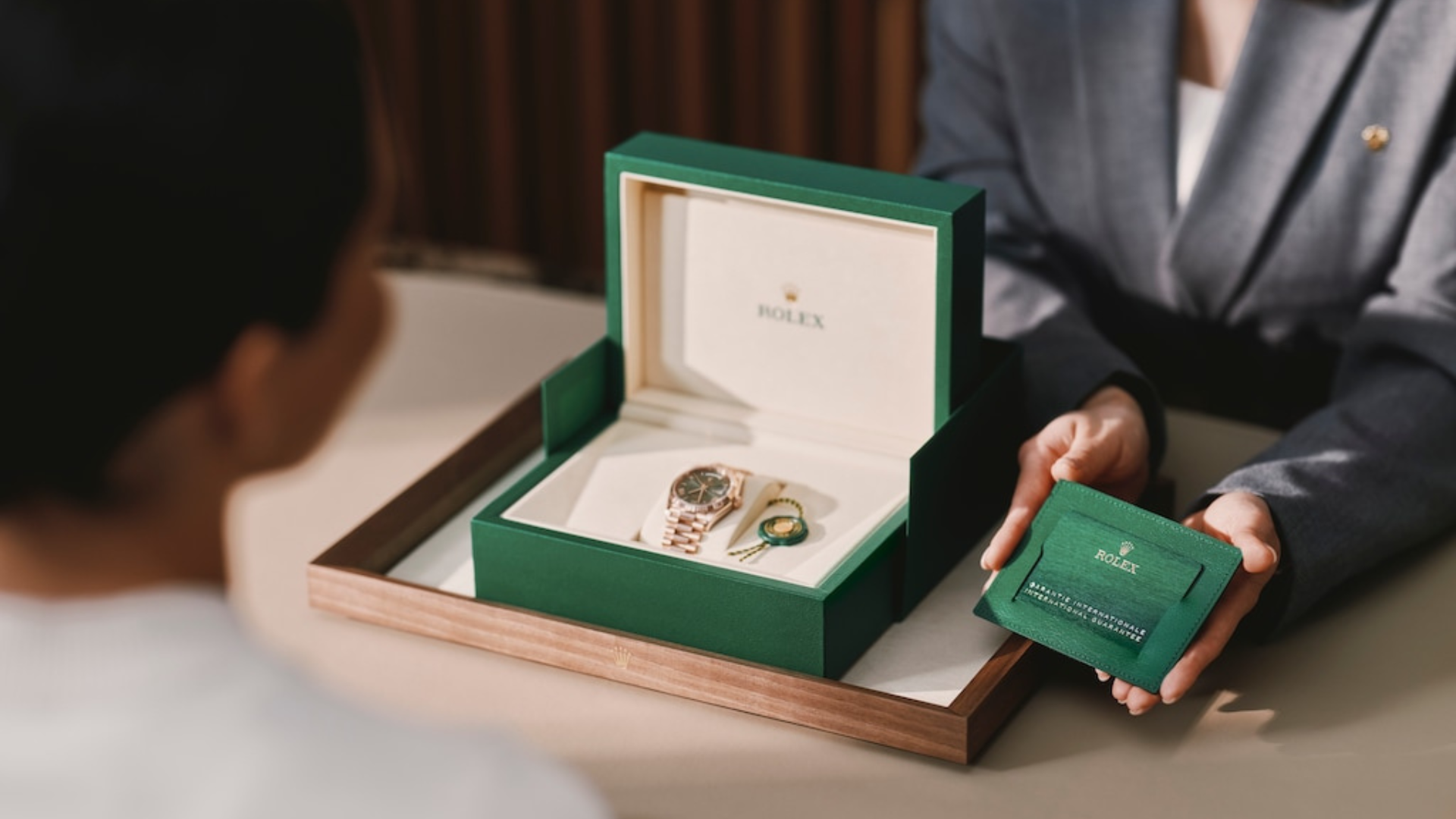

Is there a stranger transaction in luxury retail than one where handing over the money turns out to be, by some distance, the easiest part? A dealer declines to sell a watch, and it doesn't land as a refusal. Nothing so blunt takes place across the counter. Instead, a two-tone GMT nobody has been asking for all year is offered with the suggestion, delivered in the gentlest possible register, that this might make rather a lovely addition to the collection. The client, understanding the ritual, obliges. Somewhere in a back room, the watch they’ve long desired remains untouched. Salesmanship is irrelevant. The system, in other words, is working exactly as intended.
Over the past decade, luxury has perfected the art of making clients audition for the privilege of spending. Nowhere is this more pronounced than in watches. The dealer, in this arrangement, ceases to be a merchant and becomes something closer to an admissions officer, measuring patience and persistence as carefully as purchasing power.
Allocation as the new currency
Spend, it turns out, is the least interesting line on the application. What counts is deference: taking home the reference nobody wants, then returning next season without a trace of impatience. Somewhere, whether in memory or database, a ledger keeps score. That ledger, not the price tag, decides who gets the call when the watch they truly came for is finally released.
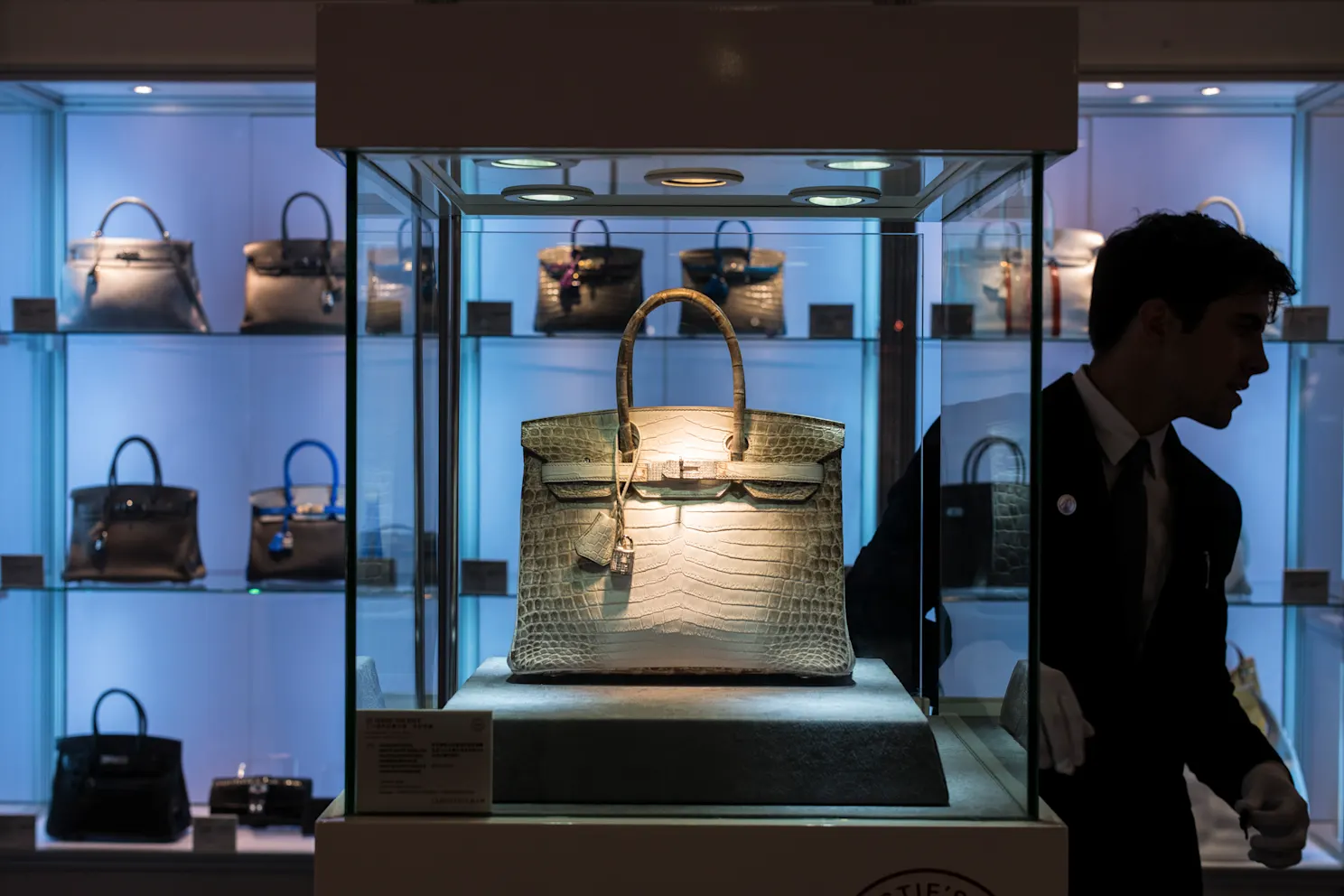
Fashion got there first, if we’re honest about it. Hermès built one of the more studied versions of the same machine years ago. A Birkin is rarely simply bought. It is bestowed, typically on a client with a well-documented habit of purchasing scarves and ready-to-wear first — a pattern so widely reported it has become something of a genre in itself, and one now being picked apart in American courtrooms on the question of whether it amounts to unlawful tying. Set the two industries side by side and the resemblance stops being a coincidence.
The numbers back this up. Roughly four-fifths of luxury’s growth between 2023 and 2025 came from charging more for largely the same volume of goods, according to the BoF-McKinsey State of Fashion 2026 report, with brands increasingly relying on price increases to maintain top-line performance while actual supply barely inches forward. The same research notes that luxury value is now measured in access and moments linked to a brand — a very elegant way of saying what you are really buying is the privilege of being allowed to buy at all.
None of this is incidental to how these objects get sold, and it is worth being plain about what a waitlist actually does for a brand. Most of the manufacturers running this system could produce more of the references everyone wants, production capacity is rarely the real constraint. What a visible shortage does instead is advertise, more convincingly than any campaign could, that the object at the end of the queue is worth wanting in the first place. A resale price that doubles overnight functions the same way, as a piece of market research a brand never had to commission and a testimonial it never had to pay for. In a fairly direct sense, the scarcity is the marketing.
The flipper’s paradox
Every brand running this system insists, on the record, that it despises resale flipping. Fair enough — a watch bought Tuesday and gone by Friday at double the price does make a mockery of the idea that any of this scarcity is organic. Except the very machinery built to stop flipping is what funds it. An opaque waitlist and a stingy allocation are precisely the conditions a healthy resale premium requires, since a buyer turned away at retail will happily pay a stranger on the internet for the privilege of skipping the queue. Analysts now put resale growth at two to three times the pace of the primary market, a gap the allocation system itself does a great deal to manufacture. Loosen the friction and watch the premium go with it. Nobody involved seems especially eager to loosen it.
The queue with excellent manners
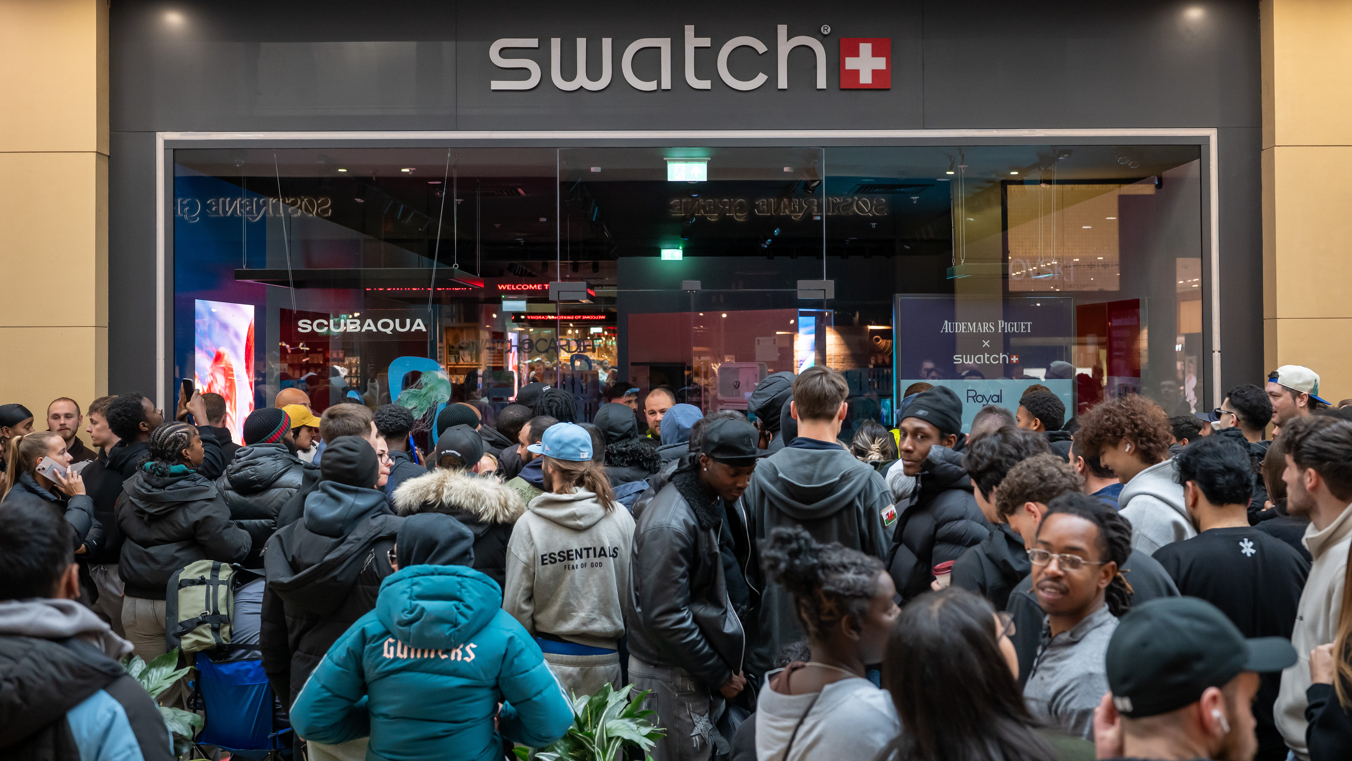
Whether ‘gatekeeping’ is even the right word deserves a moment’s thought. A gate implies someone kept out permanently. What’s on offer here is closer to a very long queue with excellent manners, one almost anyone can reach the front of, provided they spend years proving they deserve to. The idea of a ‘collection’ has rearranged itself around this fact. It once meant a set of choices, this piece and not that one, chosen because it meant something to the person choosing. Increasingly, it means a set of concessions, a record of every watch accepted on the way to the one desired.
The grail hasn’t vanished, it has simply been pushed further back. To reach it, a client must first accept everything offered along the way, and never complain. The cost of admission is paid in patience.
Image credits: Respective brands



.jpg)
%20(2).jpg)
.jpg)
