


The Pusher Reimagined: Five Swiss Chronographs that Defined 2026 at Watches and Wonders
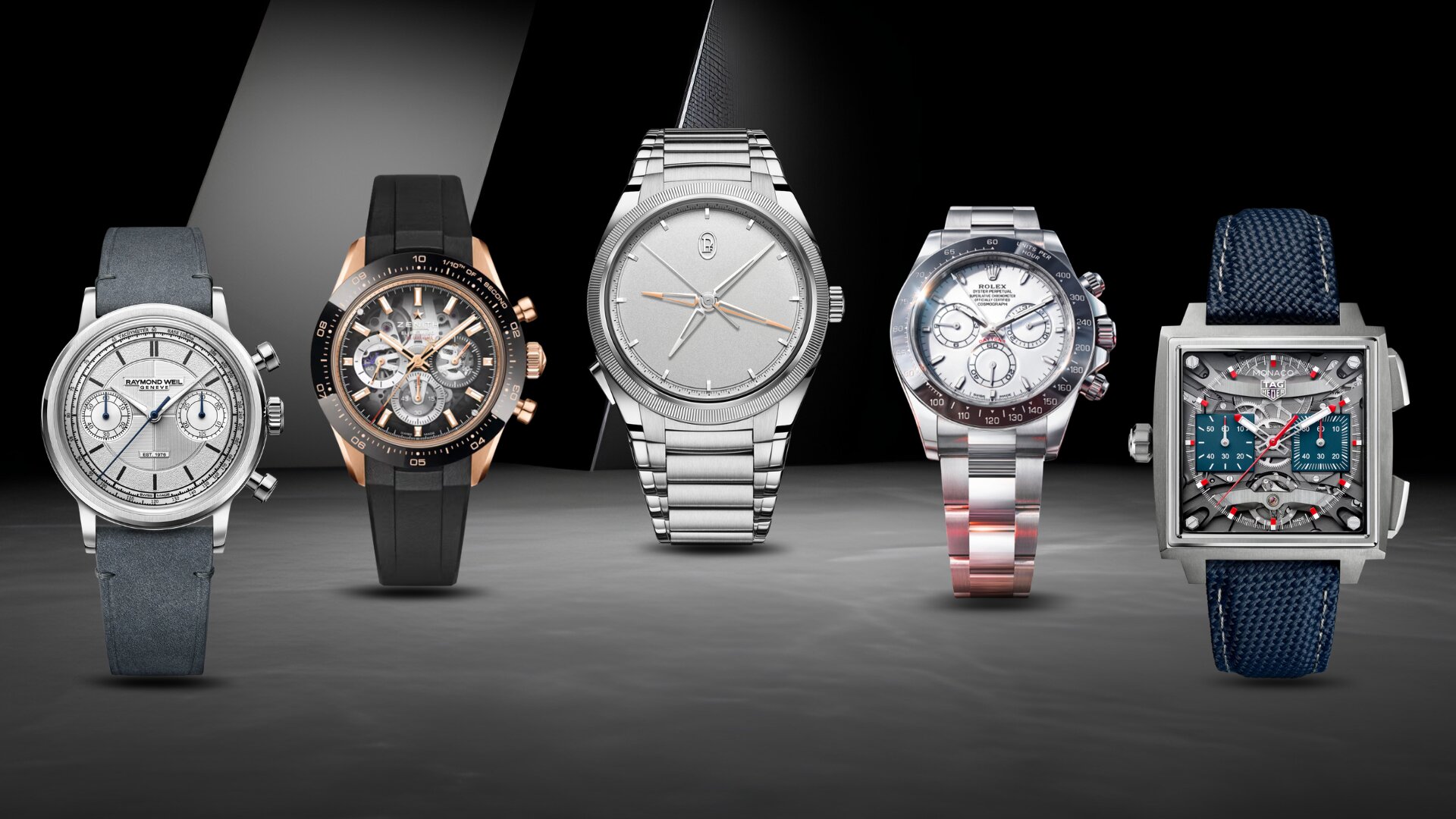

Few complications reward scrutiny the way the chronograph does. Two pushers, one crown, and a century of settled habit. This year’s Watches and Wonders treated that habit as an open question. Some houses answered by changing how the mechanism behaves, others by restoring how the genre looked when it was young. The five watches below fall on either side of that divide, with one standing quietly outside it.
A Year of Two Instincts
The chronograph was the loudest category at the fair, and it spoke in two voices. The first belongs to the engineers, who looked at start, stop, and reset, and asked whether the gesture itself could be redrawn. The second belongs to the archivists, who looked at a cherished calibre or a vintage proportion and asked what it would take to bring it back with conviction.
Neither camp is sentimental, and neither is merely clever. The strongest pieces here suggest that restraint and invention are less opposed than the trade likes to pretend. Collectors, who tend to carry both instincts at once, are the real beneficiaries.
The Definitions:
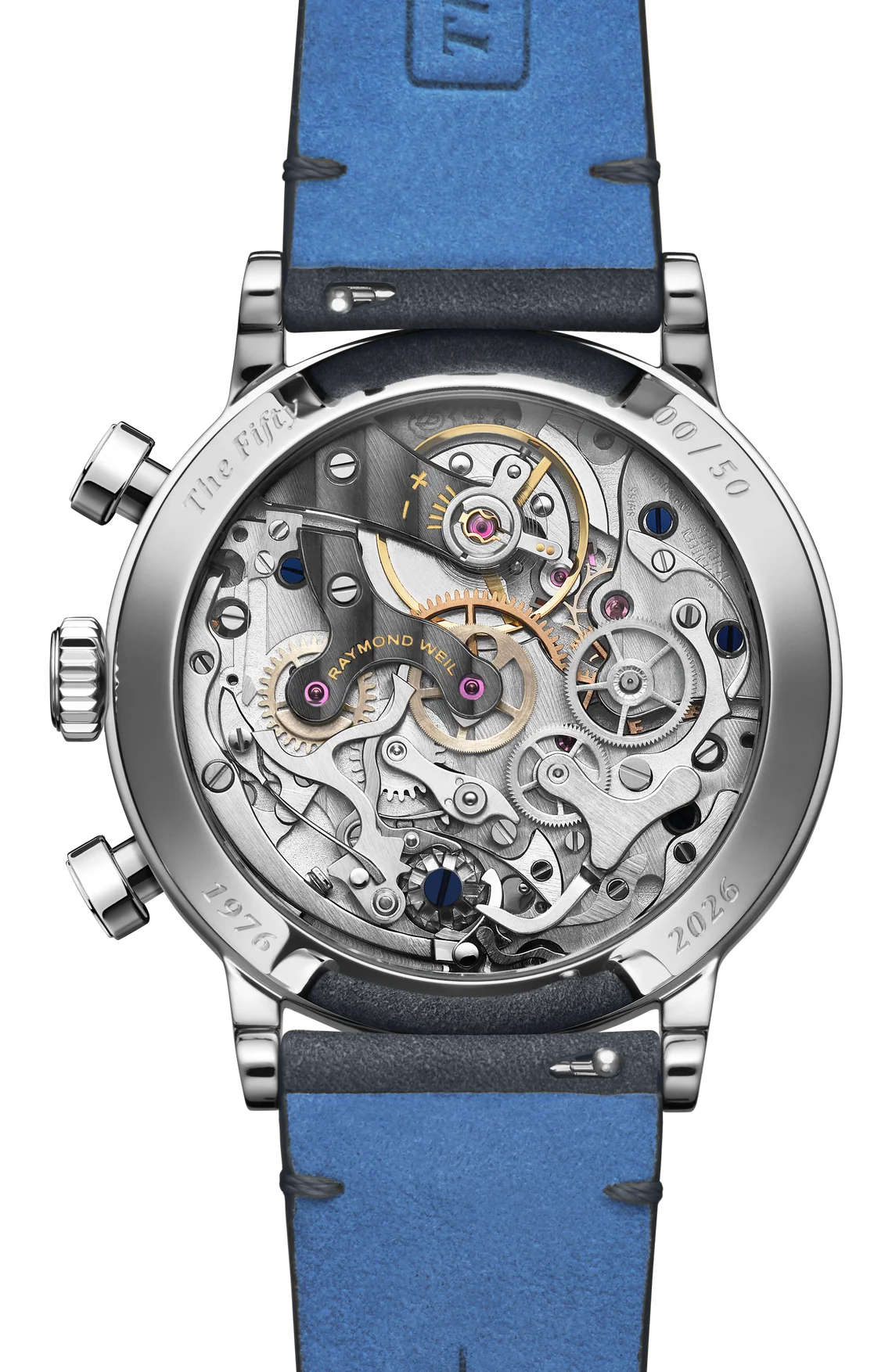
1. Raymond Weil the Fifty
Heritage handled with an archivist’s patience
Raymond Weil builds this limited series of 50 pieces around a restored Valjoux 23, a hand-wound chronograph calibre from the era when the complication was a working instrument rather than a statement. Choosing a movement of that lineage, instead of a convenient modern base, shows a house at ease with its own history. The restraint is the appeal. Limiting the run to 50 pieces keeps the project honest, and the watch asks to be judged on provenance and proportion rather than spectacle. This is clearly meant for the collector who values the pedigree of the movement over the prestige of the nameplate.
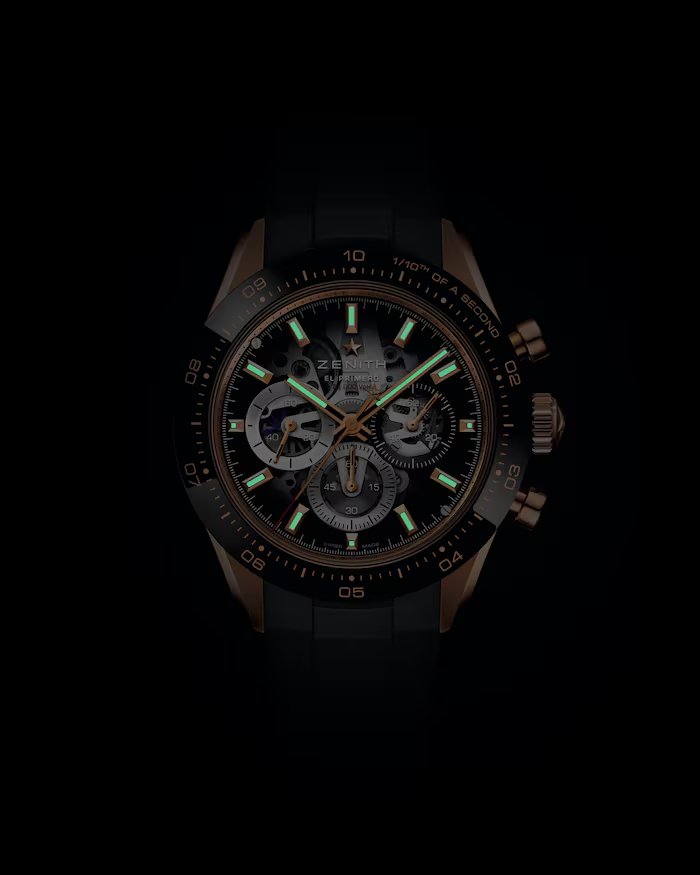
2. Zenith Chronomaster Sport Skeleton
The El Primero, finally given room to be seen
Zenith has always held a distinctive place in chronograph history, and the Chronomaster Sport Skeleton lets El Primero’s architecture show through a semi-transparent dial. Four references widen the palette without diluting the idea. Skeletonised dials usually trade legibility for drama, so the conversation here is about balance: how much of a celebrated high-beat movement can be revealed before the chronograph stops reading as a chronograph. Zenith’s answer is a confident one, and it rewards a closer look rather than a quick glance. For the buyer who wants the calibre’s reputation on display, not merely implied.
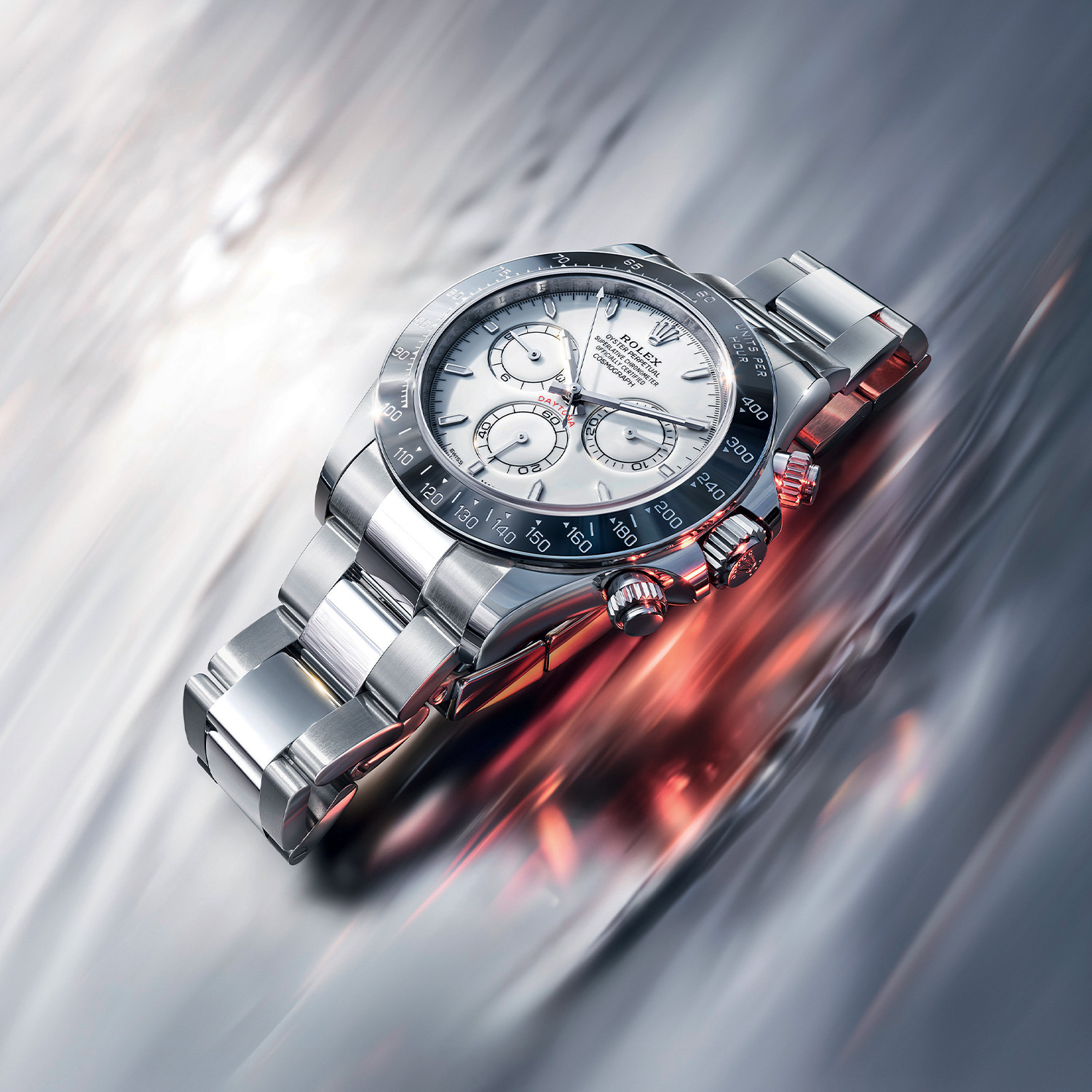
3. Rolex Daytona Rolesium 126502
The watch everyone has an opinion on, and few can simply order
Positioned outside the regular catalogue and paired with an enamel dial, this Daytona is the entry that gets collectors talking longest. Enamel is among the most exacting dial materials in watchmaking, since a single flaw in firing can undo hours of work, and Rolex’s decision to apply it to its most pursued chronograph is characteristically assured. The craftsmanship needs no defence. What fascinates is the way the watch reads differently to every collector who meets it, as the rarest expression of an icon or as the icon at its most distilled. Rolex lets the watch make its own case, and it does so with quiet authority. For the patient collector who treats Daytona as a lifelong pursuit.
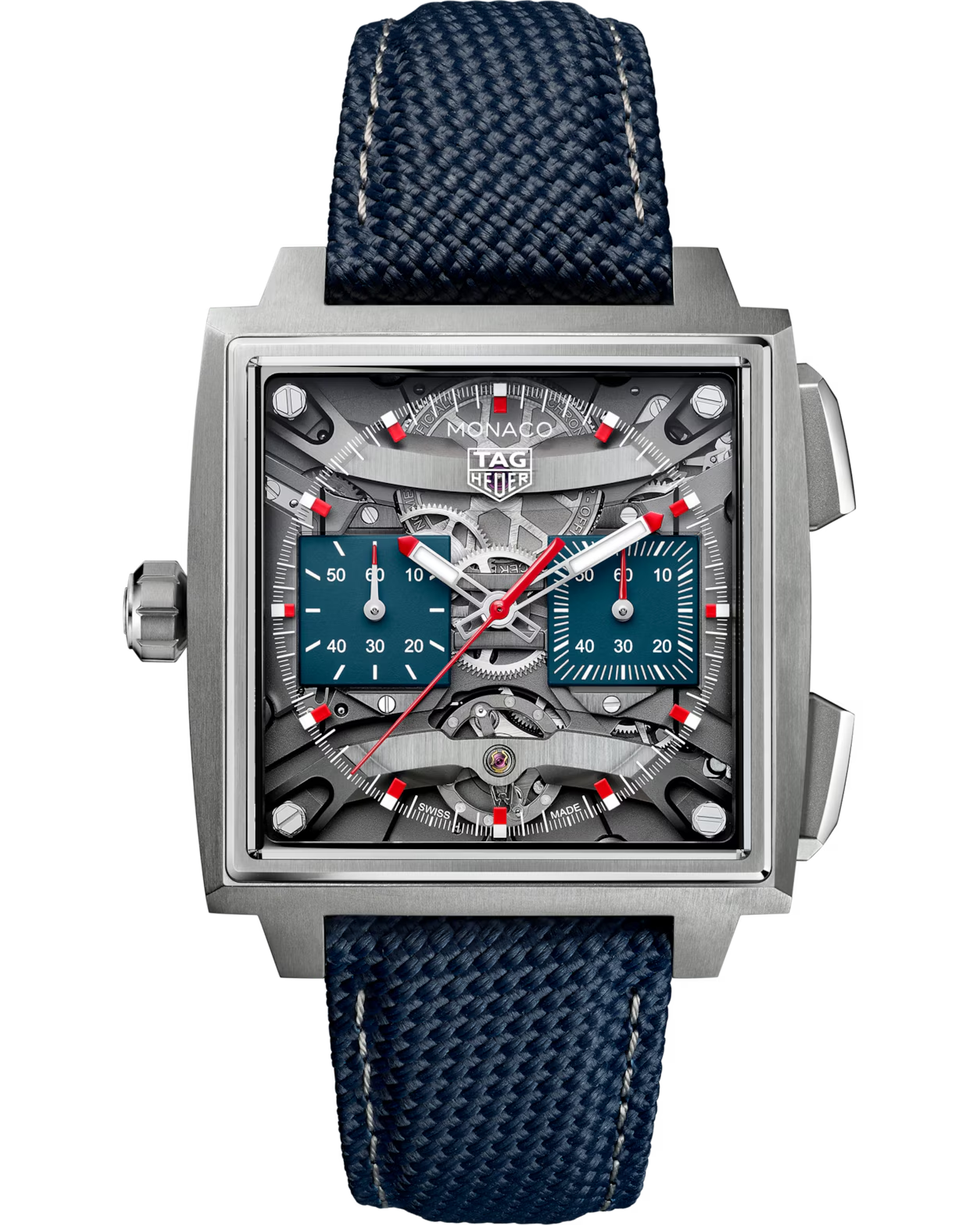
4. TAG Heuer Monaco Evergraph
A square case, a rewritten gesture
The Monaco has long been one of the most recognisable shapes in chronograph design, and the Evergraph gives it a genuinely new mechanical premise. Compliant mechanisms replace the conventional start, stop and reset action, so motion is transmitted through flexing structures instead of the familiar hinged levers. It is the kind of engineering idea that makes a specialist lean in. A fair counterpoint comes from readers who find the dial overcrowded, and it is worth acknowledging. Yet that density is also the price of showing a new architecture honestly, and TAG Heuer has long been willing to pay it. For the technically curious collector who wants to own an idea as much as an object.
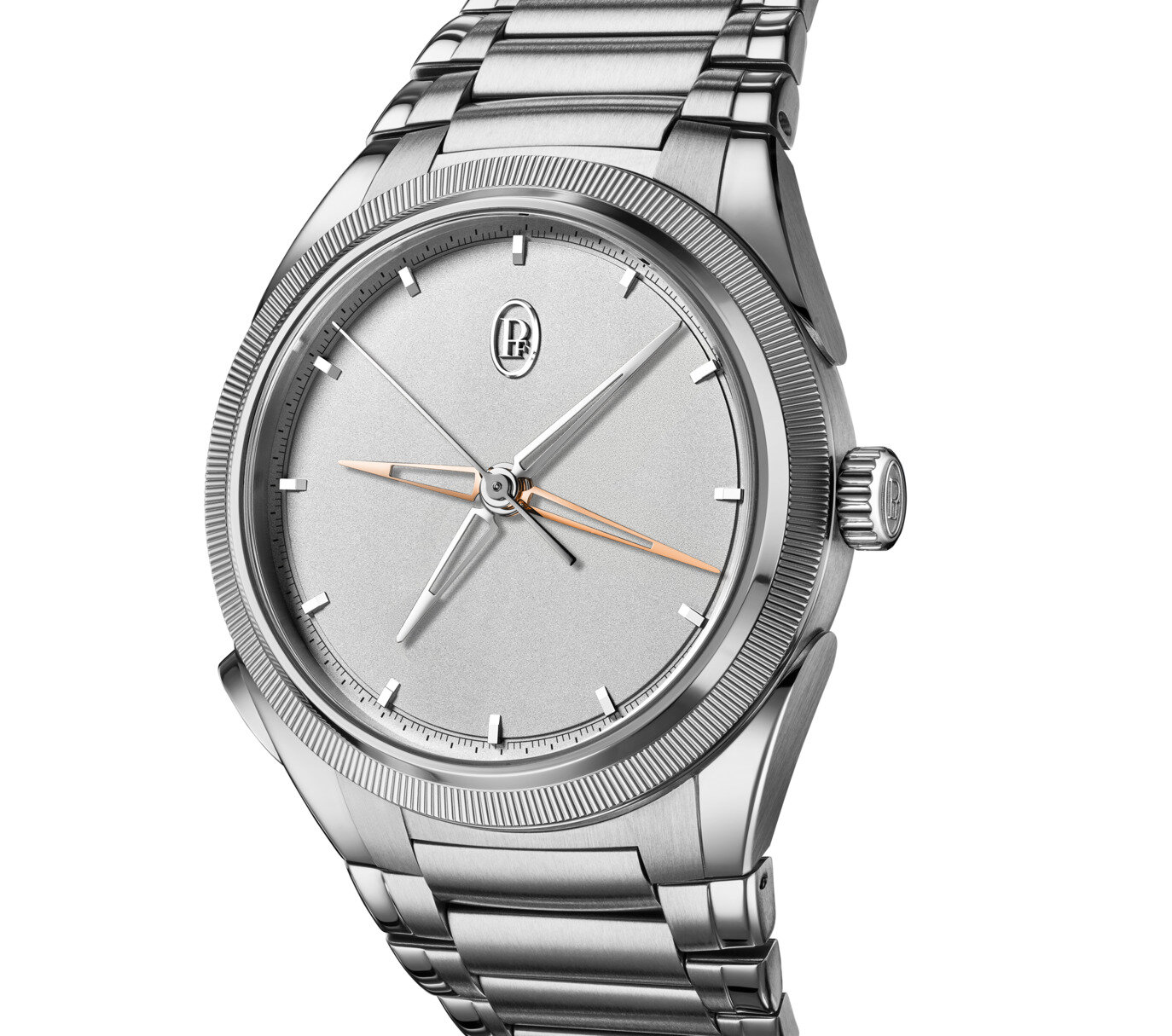
5. Parmigiani Fleurier Tonda PF Chronograph Mystérieux
The chronograph that waits to be asked
At rest, the Tonda PF Chronograph Mystérieux reads as a three-hander, composed and almost reticent. Then a pusher at the lug lines up the hands and starts the chronograph, revealing a complication that was there all along. It is a piece of misdirection worthy of the House’s restoration-trained sensibility, where concealment is treated as a craft rather than a trick. The pusher placement alone reframes what a chronograph is allowed to look like. Of everything shown this year, it is the watch most likely to be discussed for years to come. For the connoisseur who prefers a complication that reveals itself only on request.
The Reset
Seen together, this year’s chronographs read as a study in design. Raymond Weil’s revival shows proportion disciplined by a vintage eye for spacing and restraint. Zenith opens its dial to let the movement join the composition without sacrificing clarity. TAG Heuer lets the Monaco’s square geometry carry a new mechanical idea, while Parmigiani hides its complication behind the calm face of a three‑hander. Rolex gives the Daytona an enamel dial of rare depth and polish. Five watches, five interpretations of what a chronograph should reveal, and what it should withhold. In the end, the finest dial is the one that rewards the second glance as generously as the first.
Image Credits: Respective brands



.jpg)
