Seventy-three Diamonds, One Secret: A Story of Blancpain’s Tribute to Marilyn Monroe

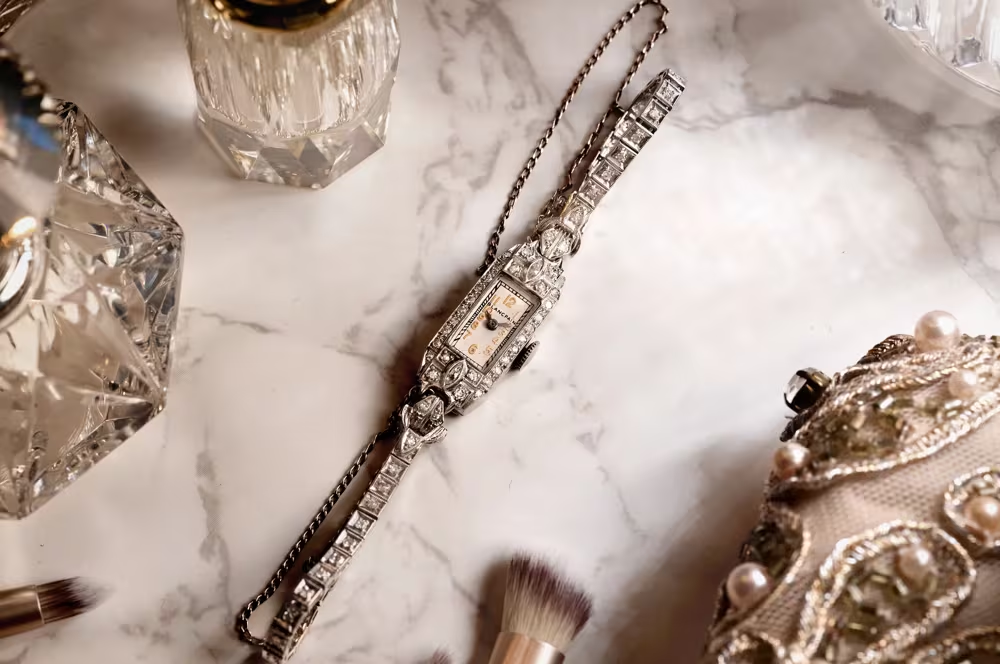
This year, on what would have been Marilyn Monroe's hundredth birthday, Blancpain paid tribute to the icon in the most intimate way that could have been seen coming: not with a campaign built around her fame, but with seven watches built around a single timepiece that was once witnessed on her wrist, a vintage Art Deco-style Blancpain diamond cocktail watch. The collection, called the Ladybird Tribute, traced its design back to that platinum timepiece that had belonged to her decades earlier, one most of the world had never even known existed.
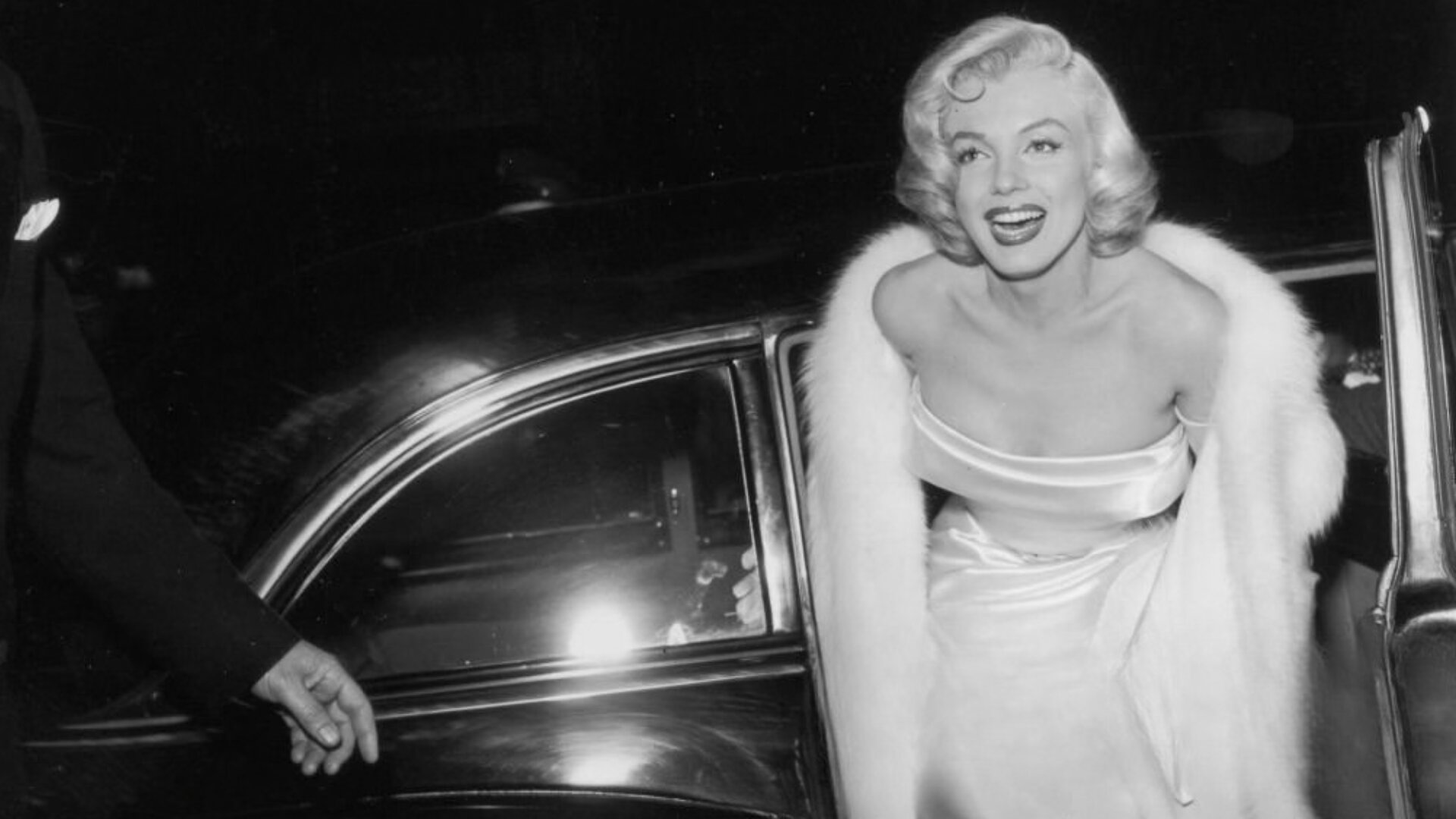
In the summer of 1952, Marilyn Monroe sat in a Los Angeles courthouse wearing a dark suit, with a face that did not falter, but showed utmost composure. No studio lighting, no choreography, but something glistened with every move of her wrist, whenever the light struck it right, every time she reached for the tissues. This was later recognised as a platinum timepiece. It is one of the only surviving images of her wearing fine jewellery at all. But in that courtroom, no one seemed to notice. Every eye was drawn instead to the face of one of Hollywood’s greatest icons. The woman who had made diamonds a cultural shorthand for desire owned almost none herself.
This is the story of that single piece that survived her restraint, and what became of it seven decades later.
A Woman Who Built Her Own Myth
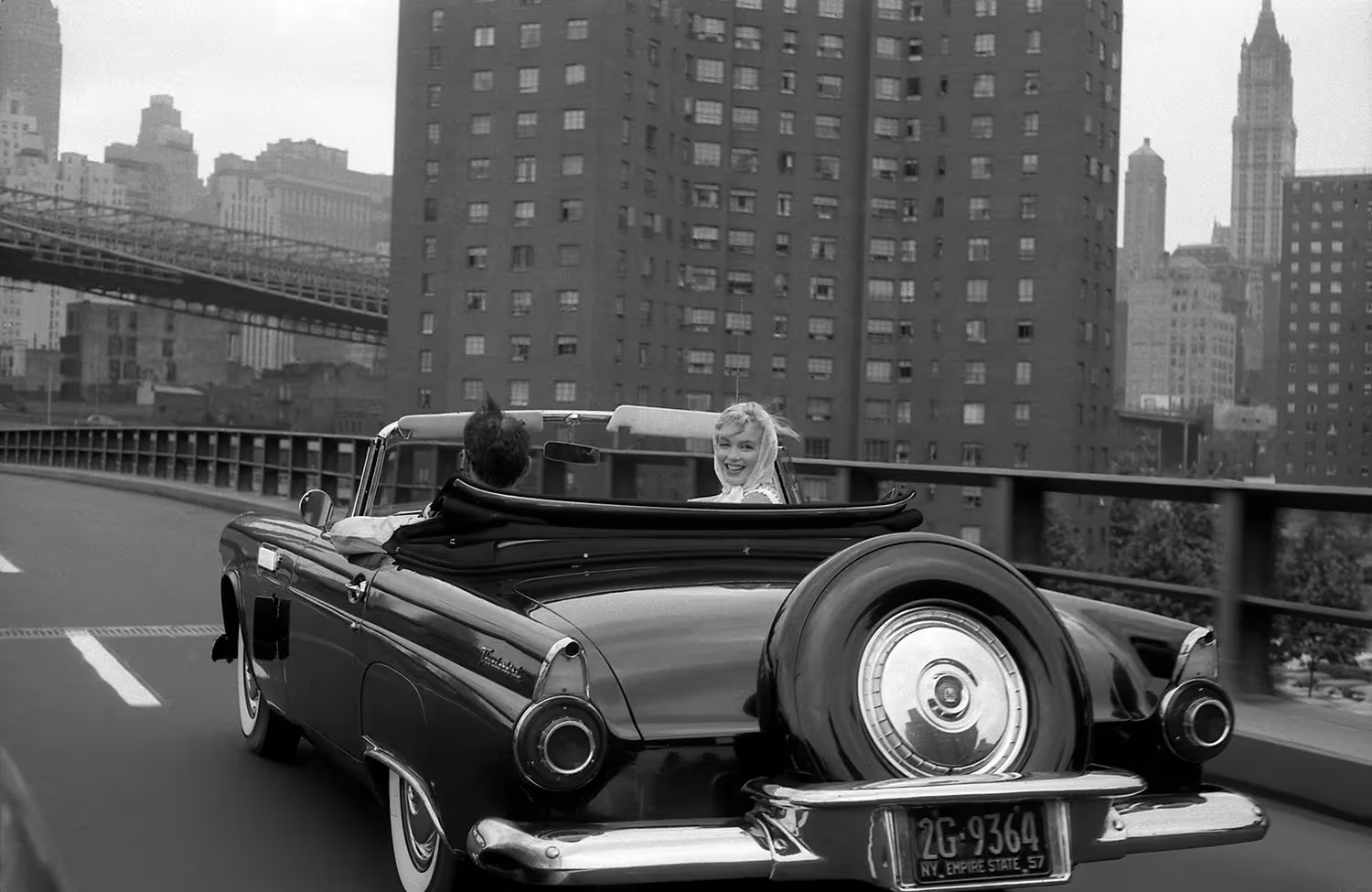
By then, Marilyn had already begun constructing something beyond just a career. Two years later, in 1954, she founded Marilyn Monroe Productions, taking control of the rendering of her own image at a moment when almost no actress held that kind of leverage. It was an act of authorship the public rarely credited her with, and it says a lot about how she navigated her way through fame. The breathless, uncomplicated figure audiences believed they knew was, by most accounts of those who worked closely with her, a performance laid carefully over a far more literate and watchful woman, one who annotated scripts obsessively and studied under Lee Strasberg with real seriousness. She understood, better than most of her contemporaries, how quickly a camera can both construct and demolish a person’s image, and how little control they would have over it once it had already happened.
Her relationship with Jewelleries was built around a very similar, reflecting notion. She had sung about Tiffany, Cartier and Harry Winston, made diamonds sound like inevitability itself, and yet her actual possessions came down to her wedding rings, a strand of Mikimoto pearls and one watch. Nothing more. For a woman so fluent in the language of glamour and gleam, an icon associated with the reflecting shine of stones, this minimalism is its own kind of statement.
What the Caseback Reveals
The watch, a vintage Art Deco-style Blancpain diamond cocktail watch, carries two names that appear where most carry one. The case itself is rectangular, platinum, set with 71 round brilliant diamonds and two marquise stones, built in the clean geometry of 1930s Art Deco. Blancpain is signed on the ratchet wheel. Rayville Watch Co. is engraved on the lever bridge, a name belonging to the entity under which the manufacture operated for several decades, under the direction of Betty Fiechter, the first woman to lead a major Swiss watch house. Neither Monroe nor Fiechter likely ever crossed paths, yet their histories meet quietly on the back of this one object: a watch shaped by one of horology's genuine pioneers, worn briefly and almost invisibly by one of cinema's.
How it reached her hands is where the story loses its footing. The most repeated account credits her third husband, the playwright Arthur Miller, though no letter, receipt or testimony has ever confirmed it. What can be said is that Marilyn was not known to buy fine jewellery for herself, which makes the theory plausible without making it true. Like so much else about her, the watch arrives already half obscured.
Decades Spent in the Dark
After her death in 1962, the watch did not pass into public memory. It went instead to Lee Strasberg, her acting mentor and one of the few people she trusted without condition, and there it stayed, first with him and later within his estate, unseen for more than 50 years. Blancpain acquired it in 2016. Even then, the manufacturer waited. It was not until the autumn of 2019 that the watch finally left Switzerland and appeared at Blancpain's Fifth Avenue boutique in New York, as the centrepiece of an exhibition titled Timeless Elegance. It was the first time the public had ever laid eyes on it, more than 60 years after it last left her wrist. Marc A. Hayek, Blancpain's president and chief executive, called the unveiling a moment of particular pride for the House, the quiet end of a very long silence.
A Tribute that Came in Seven
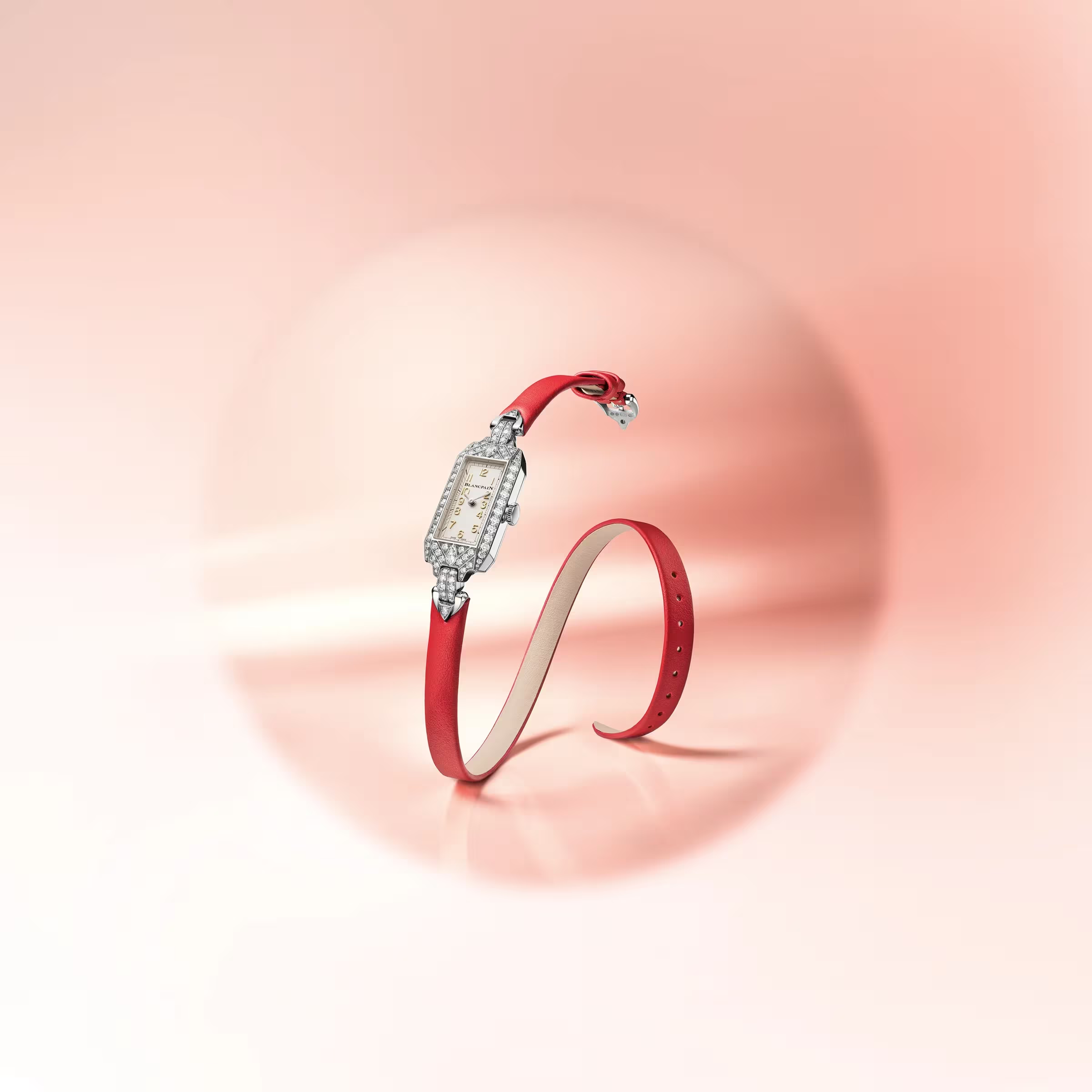
On the first of June 2026, the hundredth anniversary of Marilyn’s birth, Blancpain unveiled the Ladybird Tribute: seven watches built directly from the design language of her original piece. Each one carries a single letter of her name, engraved into the caseback in sequence, spelling out M, A, R, I, L, Y, N across the collection. Each is finished in its own colourway, drawn from a palette of seven tones created specifically for the anniversary, and fastened to a double wrapped calf strap rather than a conventional bracelet. Caliber 510 powers each from within. There is no edition number here, no identical siblings waiting in reserve. Seven watches, seven letters, each one singular by design rather than by marketing convention, much like the object that inspired them.
The Survivors of the Fame
What endures, a century after her birth, is rarely the image itself. Photographs multiply so endlessly that they now seem to be losing the emphasis, but a watch does not share that fate. It has a case that opens, a mechanism that runs or falls still, a presence you can hold rather than simply look at. Of everything that passed through Marilyn Monroe's hands in the 36 short years of her existence, almost nothing survives in that form. This does. It sat quietly through a courtroom appearance, passed into an estate and stayed out of sight for the better part of six decades, yet it has outlasted nearly everything else that carries her name.
Seven new watches now carry her letters into rooms she never entered. But the original remains the only one that ever actually touched her wrist, the only object that was truly hers rather than the world's idea of her. Long after the gowns have faded and the photographs have been reprinted past counting, this one timepiece still holds the one thing her fame never quite allowed her to keep: a trace of the ordinary woman inside the icon.
Image Credits: Blancpain