Piaget Unveils the Final Chapter of Extraleganza on the French Riviera
.png)

Piaget has unveiled Colours of Extraleganza, the final chapter in its High Jewellery trilogy dedicated to the Maison’s enduring relationship with colour. Presented in Menton on the French Riviera, the collection brings together 65 creations across jewellery and watches, each exploring colour not as an accent, but as a starting point.
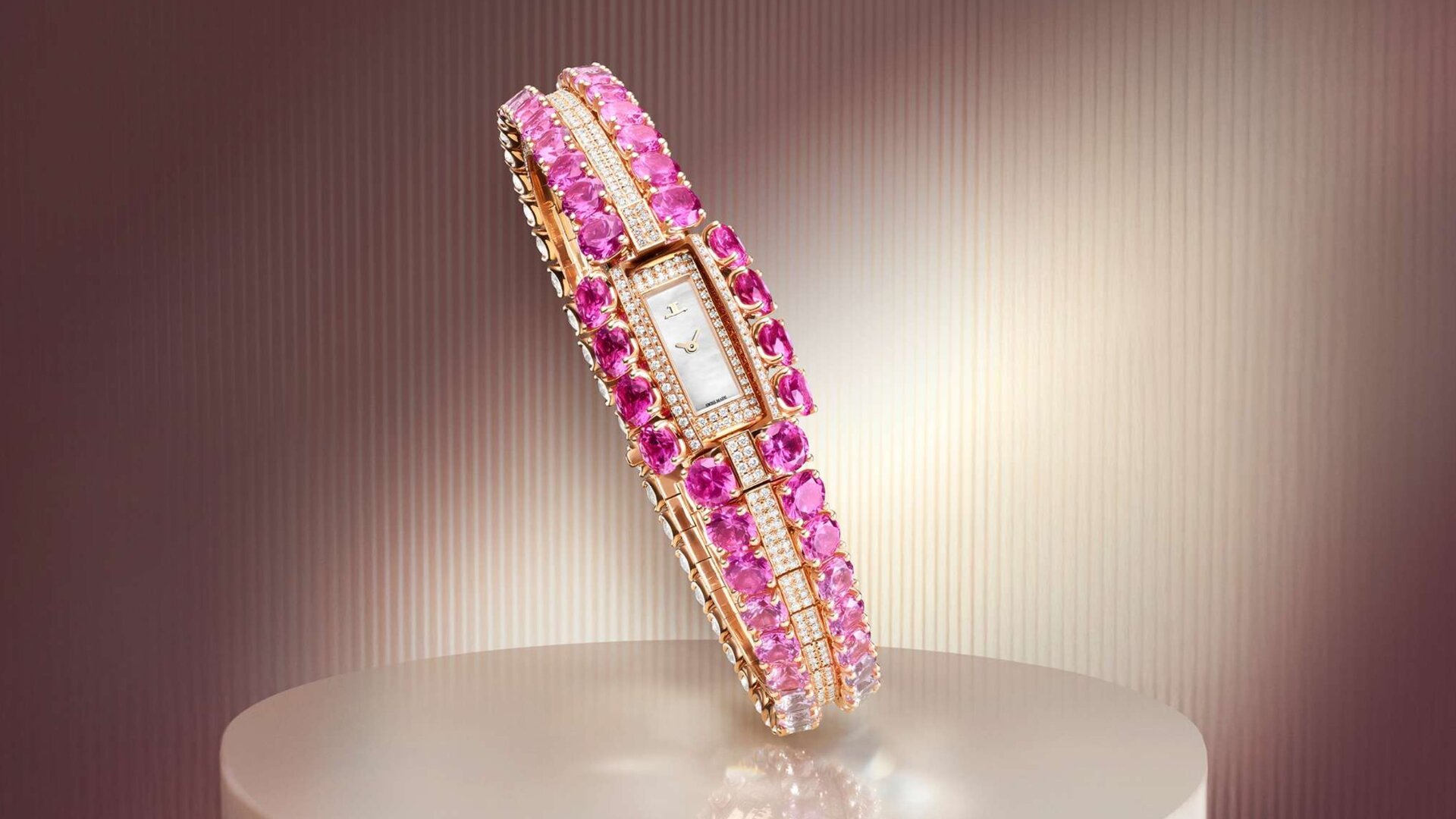
The setting felt apt. Overlooking the Mediterranean, Piaget staged a gala dinner and fashion presentation at Villa Cypris, where guests were introduced to a collection that draws on many of the ideas that have long defined the Maison. Gold serves as the foundation throughout, punctuated by diamonds, sapphires, emeralds, and rubies. Elsewhere, opals, tiger’s eye, and mother-of-pearl introduce shifts in texture and light, creating pieces that change character as they move.
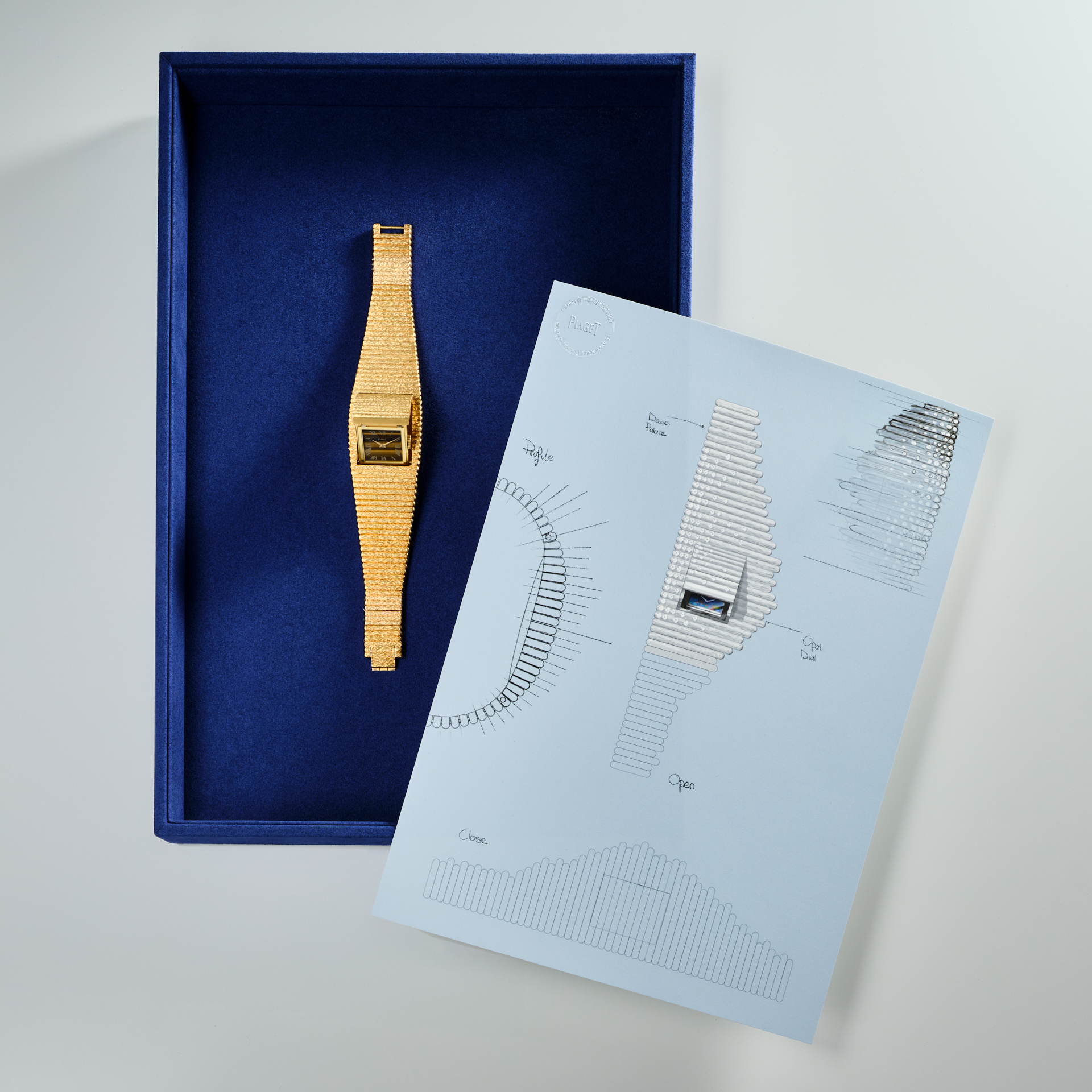
Colour has occupied a singular place within Piaget’s history. Throughout the latter half of the twentieth century, the Maison became known for its use of ornamental stones and unconventional combinations of materials, often blurring the boundaries between jewellery, watchmaking, and decorative arts. Those instincts remain visible here. Across the collection, gemstones are treated as compositional elements, shaping the mood and structure of each piece.
Among the guests in attendance was Bollywood actor Ananya Panday, Friend of the Maison, who wore the Sixtie Cuff Watch featuring an opal dial, diamonds, and Piaget’s signature Decor Palace engraving. Friend of the Maison Sophie Ellis-Bextor also performed during the evening.
.jpeg)
While Colours of Extraleganza sits firmly within the world of high jewellery, it also reflects a longstanding Piaget idea — that a watch can be approached through the same creative lens as a necklace, cuff, or ring. The result is a collection that moves comfortably between disciplines, united by a shared visual language rather than a strict category.
The collection closes a trilogy, though it does not feel particularly final. Piaget’s relationship with colour predates the Extraleganza series by decades, and remains one of the clearest ways of understanding the Maison today. The stones may change and the references may shift, but the language remains recognisably Piaget.
Image credits: Respective brands