Learnings from the Ground at the Hong Kong Watch & Clock Fair, 2026


When you consume watch culture in India, your feed is usually calibrated to a familiar rhythm: classic Swiss heavyweights, European micro-indies, or Japanese quartz stalwarts. Chinese timepieces, by contrast, tend to quietly fly under the radar. But stepping onto the floor at the 45th Hong Kong Watch & Clock Fair and the 14th Salon de TIME was a sharp reality check. Being on the ground instantly shifts your perspective, making you realise just how much relentless innovation, creative bravery, and technological forward-thinking is taking place elsewhere in the world.
Jointly organised by the Hong Kong Trade Development Council (HKTDC), the Hong Kong Watch Manufacturers Association Limited, and The Federation of Hong Kong Watch Trades & Industries Limited, the five-day fair recently concluded its physical run, while its Click2Match smart business matching platform remains active until 12 September to allow exhibitors and buyers worldwide to continue their discussions online.
The New Centre of Gravity
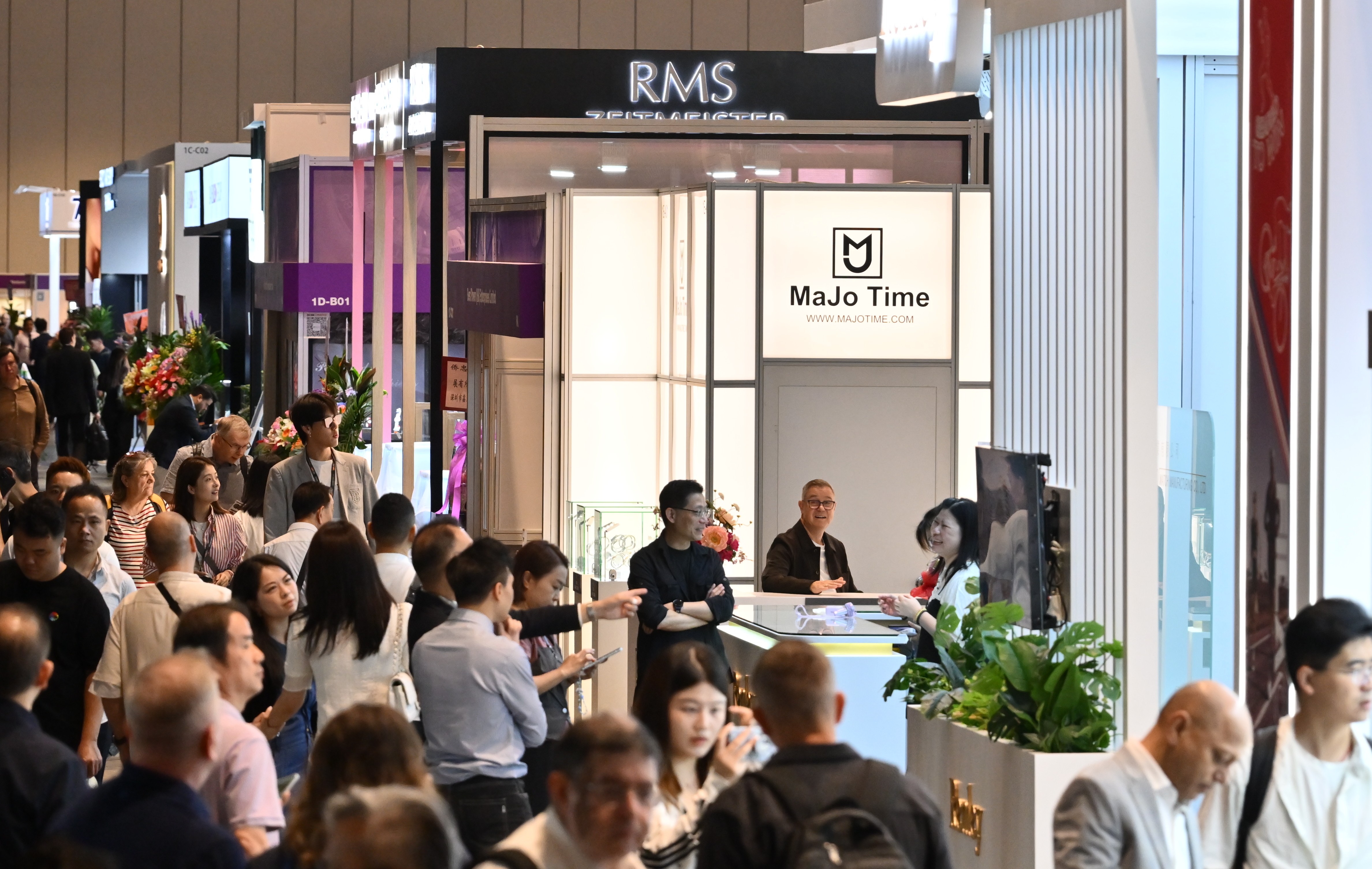
The numbers alone tell a story of a global industry recalibrating its compass. Over 17,000 trade buyers spanning 115 countries and regions gathered in Hong Kong to source the next wave in timekeeping. While international attendees poured in from the Chinese Mainland, Taiwan, India, Japan, Russia, and the US, there was a noticeable surge in participation from North America, Latin America, and ASEAN markets like Indonesia, Malaysia, the Philippines, and Thailand, underscoring Hong Kong’s pivotal role as an international trading centre and premier sourcing hub.
As Smiley Lam, HKTDC Associate Executive Director, observed, the fair serves as the world’s largest one-stop watch and clock marketplace, connecting the entire value chain from manufacturing and sourcing to brand promotion. This year’s Salon de TIME achieved a record scale with more than 150 international brands, while the Microbrands zone doubled in size compared to last year.
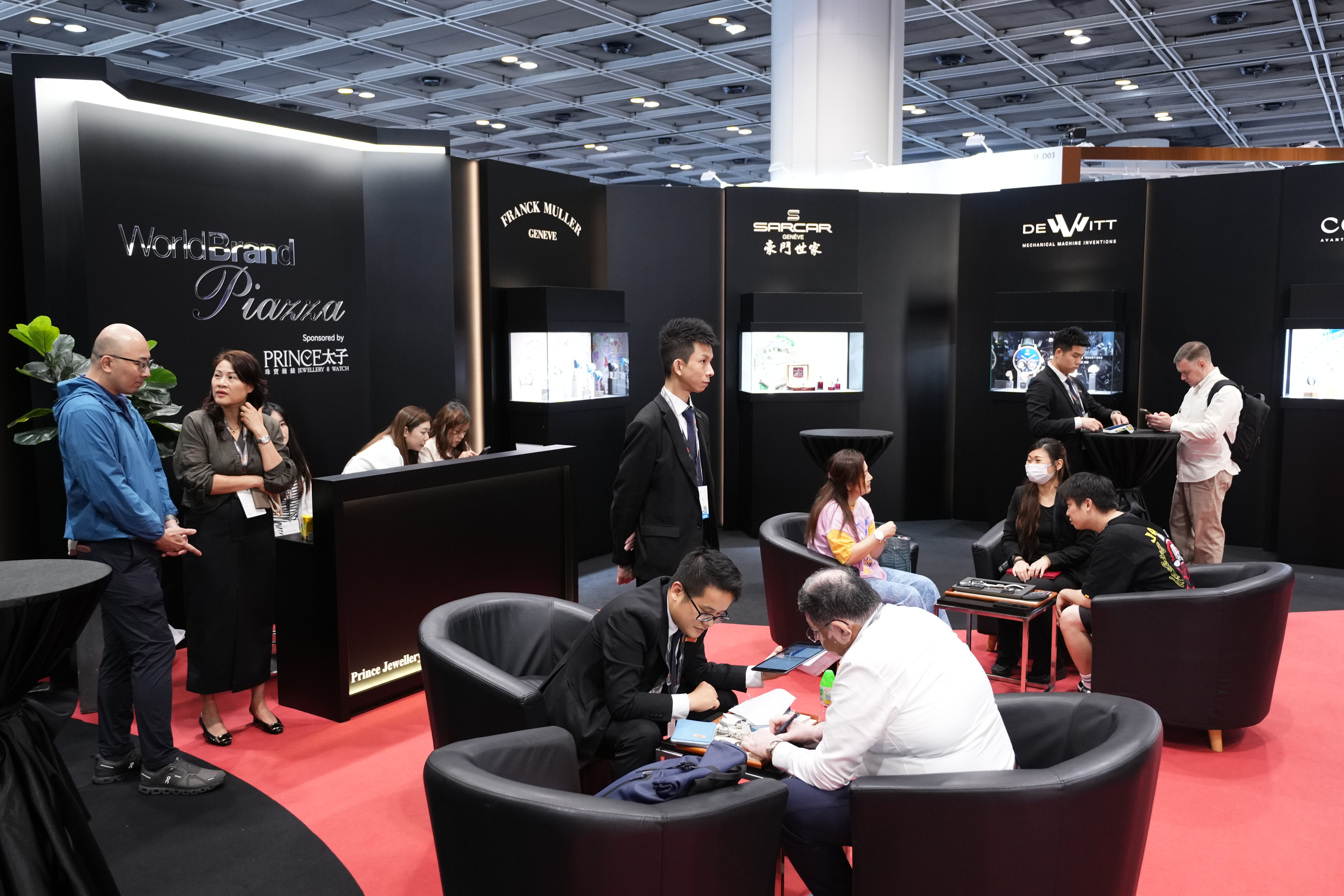
What’s driving the excitement on the floor? A distinct shift in consumer appetite towards personalised design, cultural storytelling, cross-industry collaborations, and the rising wave of watches that seamlessly weave traditional heritage with modern aesthetics.
The Mainland Renaissance
For those willing to look past conventional Western narratives, the spotlight on Chinese Mainland watchmaking was a revelation. Leading this charge was Sun International Concepts Ltd., which showcased five renowned Chinese Mainland brands. The highlight was undeniably the work of Xushu Ma, Zehua Tan, and Lin Yonghua — members of the prestigious Académie Horlogère des Créateurs Indépendants (AHCI) — whose creations proved that independent Chinese master watchmakers can go toe-to-toe with the world’s finest ateliers.
The global demand for high-end mainland horology was palpable. David Sun, Executive Director of Sun International Concepts Ltd., shared that the company logged 17 enquiries for bespoke timepieces during the fair — eight coming directly from collectors and buyers in Dubai, the Philippines, Thailand, and other overseas markets — generating HK$4 million in customised watch orders. As Sun pointed out, the fair provides a crucial bridge for Chinese Mainland brands to connect directly with international distributors and private collectors, accelerating their presence in global retail channels.
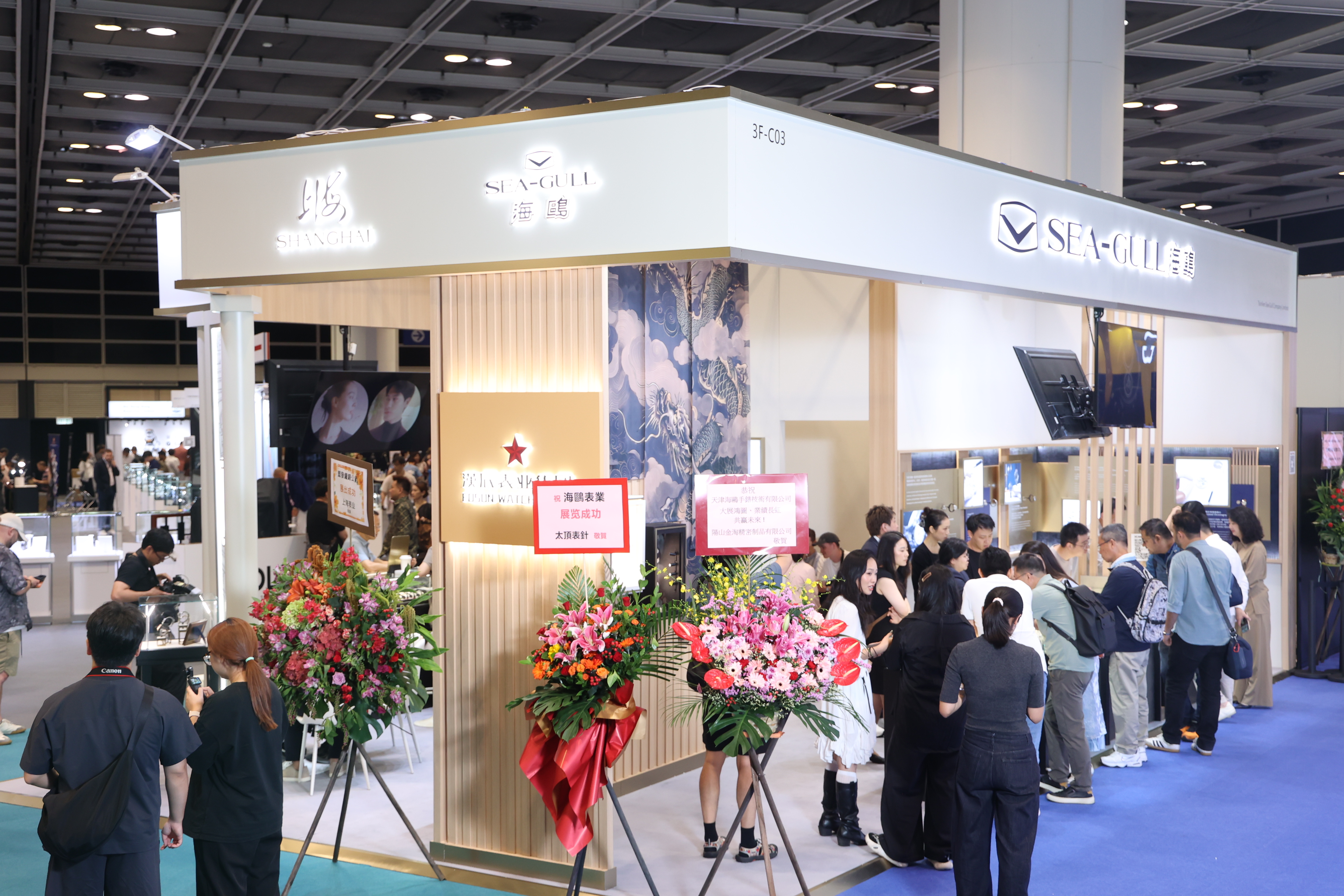
Parallel to the independent artisans, Chinese heritage giants were also flexing their muscles. Fosun Watch Group held major product launch events at Salon de TIME for two titans of Chinese horology: Sea-Gull Watch and Shanghai Watch. George Xu, CEO of Fosun Watch Group, noted strong engagement from buyers across India, the Middle East, Russia, Singapore, Thailand, and Vietnam, projecting fair-generated sales to exceed HK$1 million.
The long-term impact of this global exposure is real: Xu pointed to a Turkish client he met at last year’s fair who is now in the process of opening a dedicated retail store in Turkey, concrete proof that mainland watchmakers are quietly expanding their physical footprint across the globe.
High Tech Meets Eastern Philosophy
Perhaps nothing exemplified this forward-looking innovation better than the Link2Care platform. Designed as a direct response to tackle the ageing crisis in China and Hong Kong, Link2Care is far more than a typical smart device; it is a holistic digital watch ecosystem that bridges Western design sensibilities with Eastern/Chinese wellness and medication philosophy.
In a standout cross-industry collaboration, Link2Care partnered with iconic Swiss watch brand MARVIN to launch a luxury smartwatch that conceals cutting-edge technology within haute horology aesthetics. The piece features a patented leather strap outfitted with concealed, medical-grade biometric sensors. Without sacrificing an ounce of elegance, it tracks the user’s resilience and stress levels in real time, displaying the health data directly on the watch dial. It’s a compelling reminder that the future of wearable tech can carry the soul of luxury watchmaking while addressing real-world societal needs.
The Swiss Connection
While Asian tech and design captured major headlines, the Swiss presence remained formidable, and increasingly focused on independent craftsmanship. The Swiss pavilion, featuring standout names like Aerowatch, Roaring Calf, and PILO, highlighted the steady demand for niche artistry.
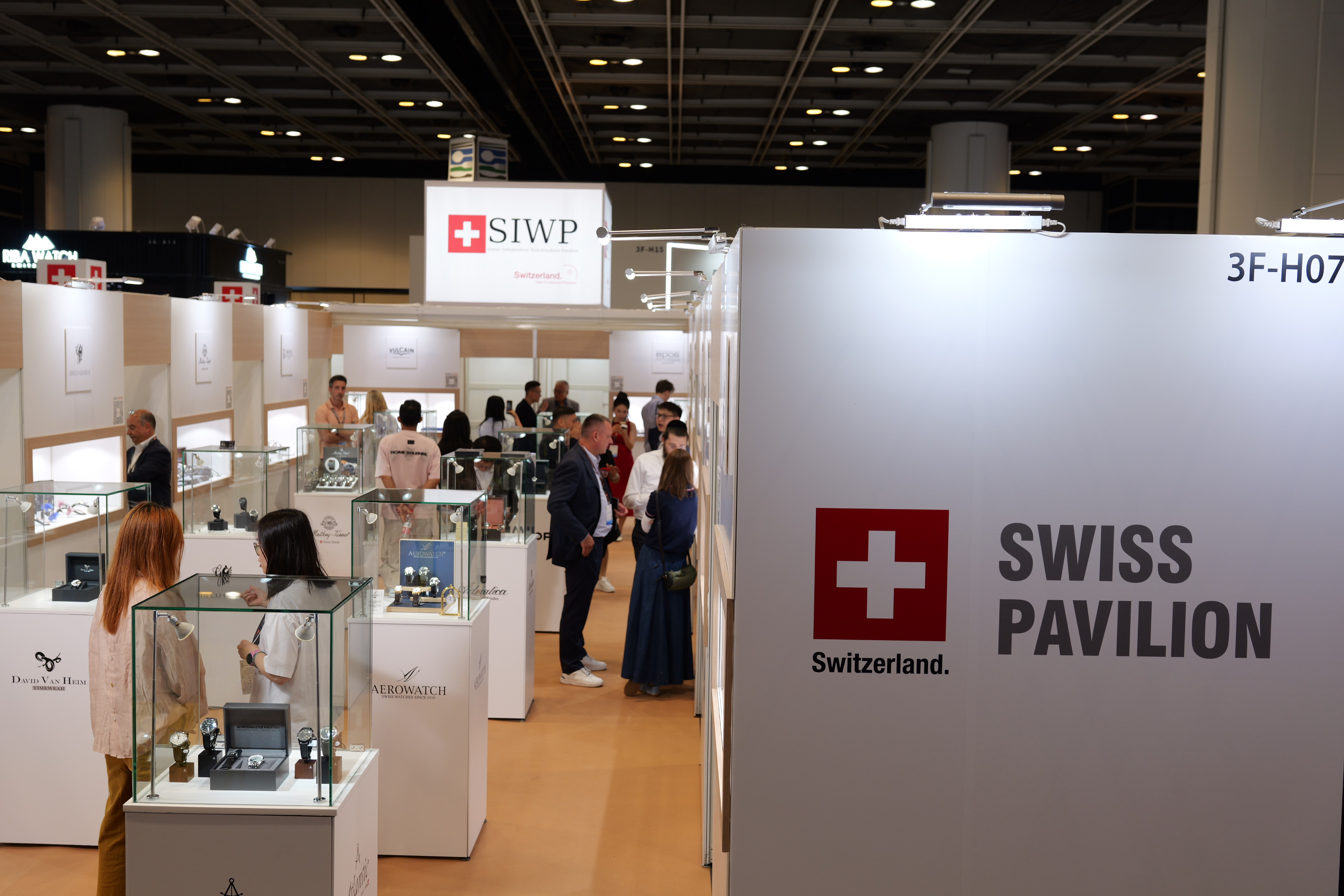
At the heart of this showcase was the Swiss Independent Watchmakers Pavilion (SIWP), founded by Amarildo Pilo, Owner of PILO & CO SA. Expanding from 10 brands last year to 14 this year, the SIWP demonstrated how HKTDC’s platform helps Swiss independent labels explore new distribution avenues. Pilo noted connecting with more than 10 interested clients during the fair — including three new contacts from Kazakhstan and a buyer from the Chinese Mainland — reflecting the strong pull from Asia, the Middle East, and North America.
Leaving Hong Kong, one truth becomes abundantly clear: the horological landscape is far richer and more multi-faceted than traditional luxury narratives suggest. Whether it’s wellness ecosystems built around traditional medicine philosophy, microbrands leaning into cultural identity, or independent Swiss artisans charting new territory in Asia, true innovation is happening across borders — and it’s time we paid closer attention.
Image credits: HKTDC