From a Solution to a Connoisseur’s Pick, the Birth of Jaeger-LeCoultre’s Reverso and Its Voyage to Recognition
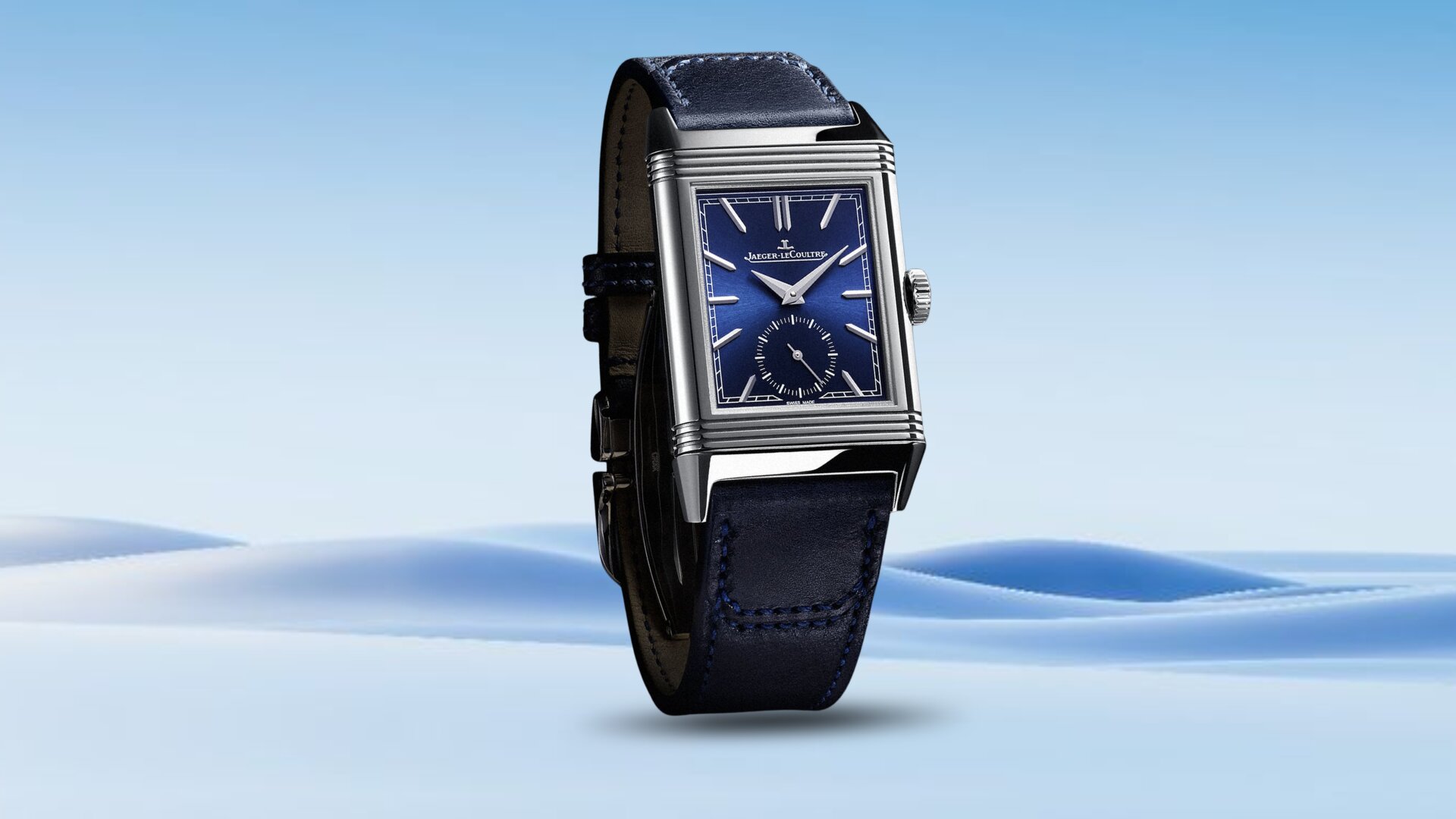

The Jaeger-LeCoultre Reverso travels in a circle, and so does its story. Its question was put forth in India, at a polo match in the winter of 1930, by a British officer holding a watch with a freshly broken glass. Its answer was worked out between Paris and the Vallée de Joux, where Jaeger-LeCoultre has worked since 1833: a case that slides from its cradle, turns half a circle and settles again, a gesture the House has kept intact. This year, 95 years after the patent, it has brought the Reverso back towards the proportions it began with.
1833: A bench by the lake
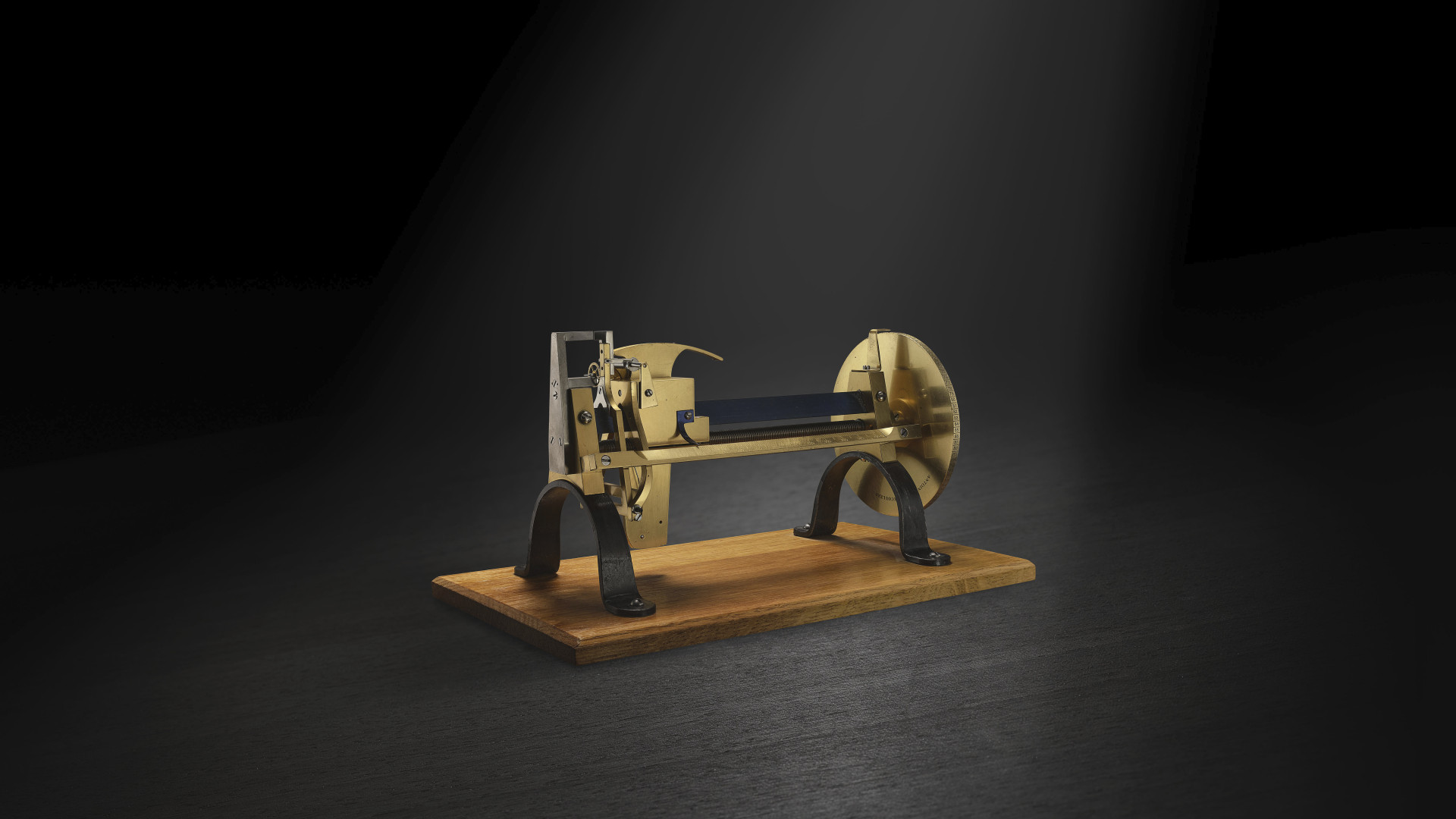
In 1833, Antoine LeCoultre opened a workshop in Le Sentier, a village on the Vallée de Joux in the Swiss Jura. The valley was remote and harsh, and it had long been a place of metalworking. In 1844, Antoine built the Millionomètre, an instrument that could measure a thousandth of a millimetre. A house that begins with a measuring tool, rather than a style, explains why its cases and movements fit together so precisely.
1930: A broken crystal in India
It was the winter of 1930 into 1931. César de Trey, a Swiss businessman and watch collector, is watching British army officers indulge in a match of polo. As the company puts it, an officer whose watch glass had just broken challenged him to engineer a watch that could survive the game. De Trey takes the problem to Jacques-David LeCoultre, who brings in Jaeger, the Paris firm of Edmond Jaeger. Its designer, René-Alfred Chauvot, finds the answer.
1931: The flip
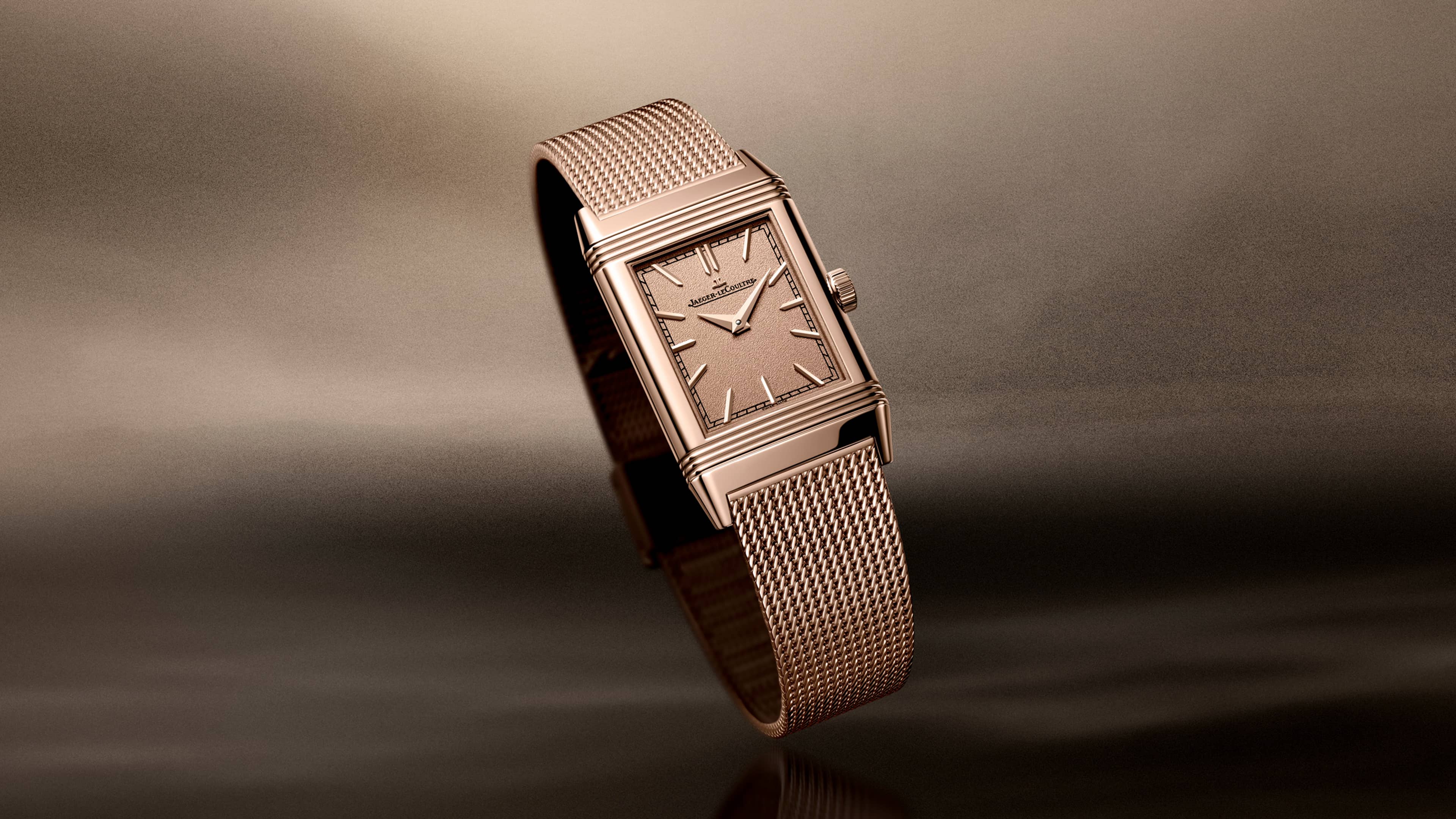
On 4 March 1931, Chauvot’s patent was filed in Paris for a watch that could slide in its support and be turned over entirely. De Trey bought the rights, and in November, the name Reverso, Latin for “I turn”, was registered. Where an engineer might have thickened the glass, Chauvot hid it, which left the front free to stay as slim and clean as a dress watch should be. The case is long, rectangular and unadorned, drawn with the strict lines of Art Deco.
“A watch capable of sliding in its support and being completely turned over.”
- René-Alfred Chauvot, patent application, Paris, 4 March 1931 (Jaeger-LeCoultre’s translation)
The 1930s: What the maharajas did with the back
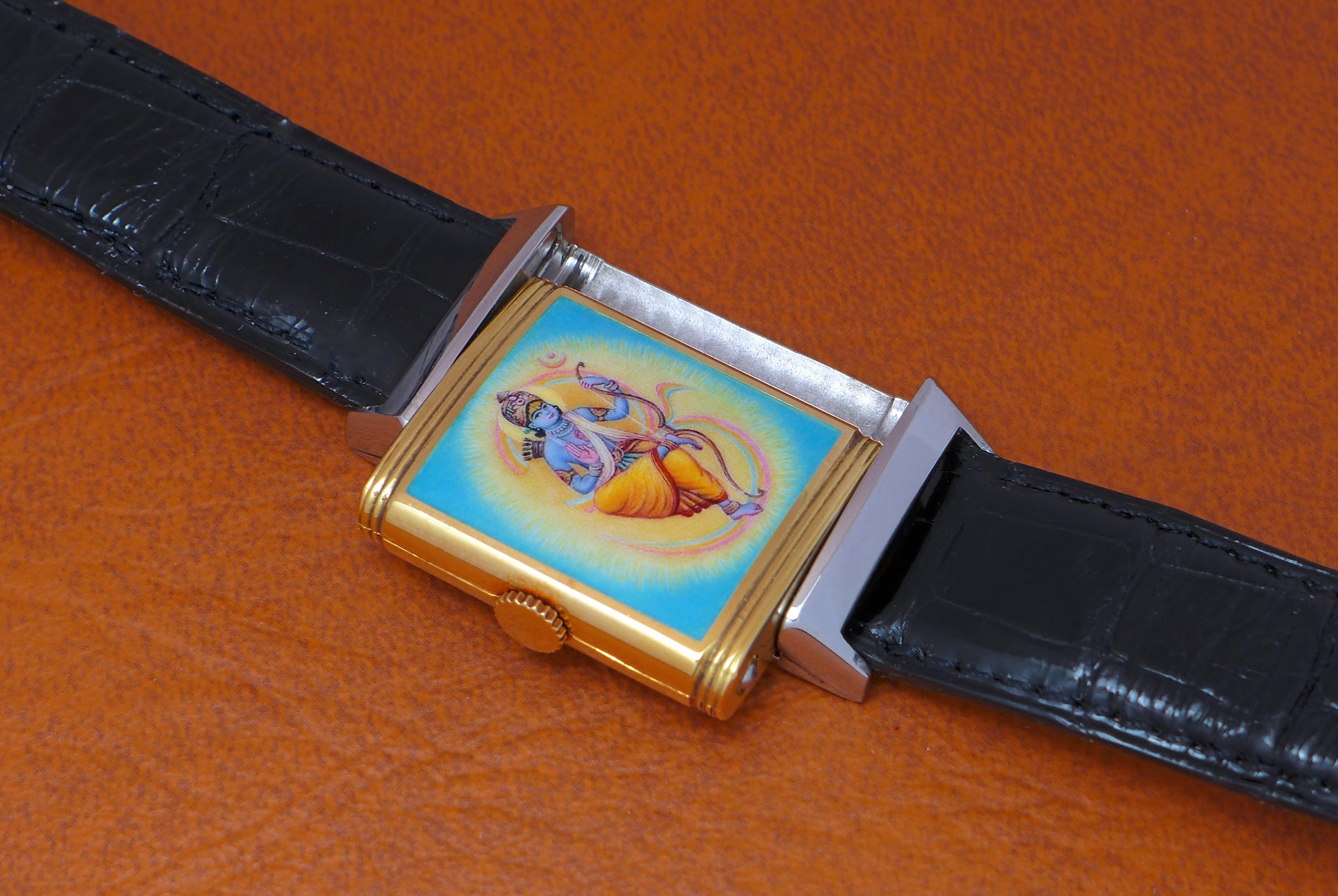
The plain back soon found another use. Owners could have it engraved or enamelled, and Indian commissions were ambitious. Legend holds that the Maharaja of Kapurthala commissioned 50 Reverso watches, each graced with the image of Lord Rama. A solid gold example from 1936 or 1937, known as Beauty of India, is another Indian commission. Both belong to the manufacture’s heritage collection. A watch built to protect its face had a second face waiting to be commissioned.
1991 onwards: 60 years in, complications arrive
For 60 years, the Reverso told the time and little else. In 1991, the Soixantième changed that. Limited to 500 pieces, it came in a larger case and added a power reserve and a date. A tourbillon, the rotating cage that carries the balance, followed in 1993. A minute repeater, which chimes the time on request, came in 1994, with the first rectangular repeater movement. A perpetual calendar arrived in 2000. Each had to be drawn to fit a rectangle rather than a circle, and the engineers did it six times in 10 years. Around it, the valley kept building: the Atmos clock, designed in 1928 and driven by temperature, the Master Control line and its 1000-hour testing from 1992, and the two-gear-train Duomètre of 2007.
2026: Back to the beginning
On 21 May this year, the House introduced five Reverso Tribute Monoface “Or Deco” watches, each with a gold Milanese mesh bracelet designed together with its case and dial rather than added afterwards. Three gem-set “Cocktail” versions are limited to 30 pieces each. The one that matters most here is the Solo Tempo: pink gold, hours and minutes only, 24.4 by 40.1 millimetres, against the 21 by 39 of the 1930s original. After decades of adding, Jaeger-LeCoultre has made the Reverso smaller and quieter, and the proportions show how right the first drawing was.
India’s contribution for the Reverso
It starts with a broken watch glass at a polo match and a question put to a Swiss visitor. The answer was worked out in Paris and in Le Sentier. By the time the watches were on sale, India had found a second use for the part meant to shield the dial: the smooth back. From 1931, it could be engraved or enamelled, and Indian patrons filled it. One order, probably 50 watches placed in 1932 by the Maharaja of Kapurthala, put the image of Lord Rama on that surface. The front kept to Art Deco lines and the time. The back carried something private, meant for the owner. Another Indian commission, in solid gold from 1936 or 1937, became known as Beauty of India. Decades later, Jaeger-LeCoultre bought that watch back, reportedly in 2004, and keeps it among its own heritage pieces. For Indian collectors, the Reverso is a story that began on home ground.
The flip side
Turn the Reverso over and it shows a second face: plain, engraved, enamelled or set with stones. One watch, two faces and this year, both point back to a polo field in India and a Swiss valley where the idea was first made to work.
Image Credits: Jaeger-LeCoultre


.jpg)